- Oct 25, 2025
O-Level Chemistry Practical: The Ultimate Tuition Safety Checklist
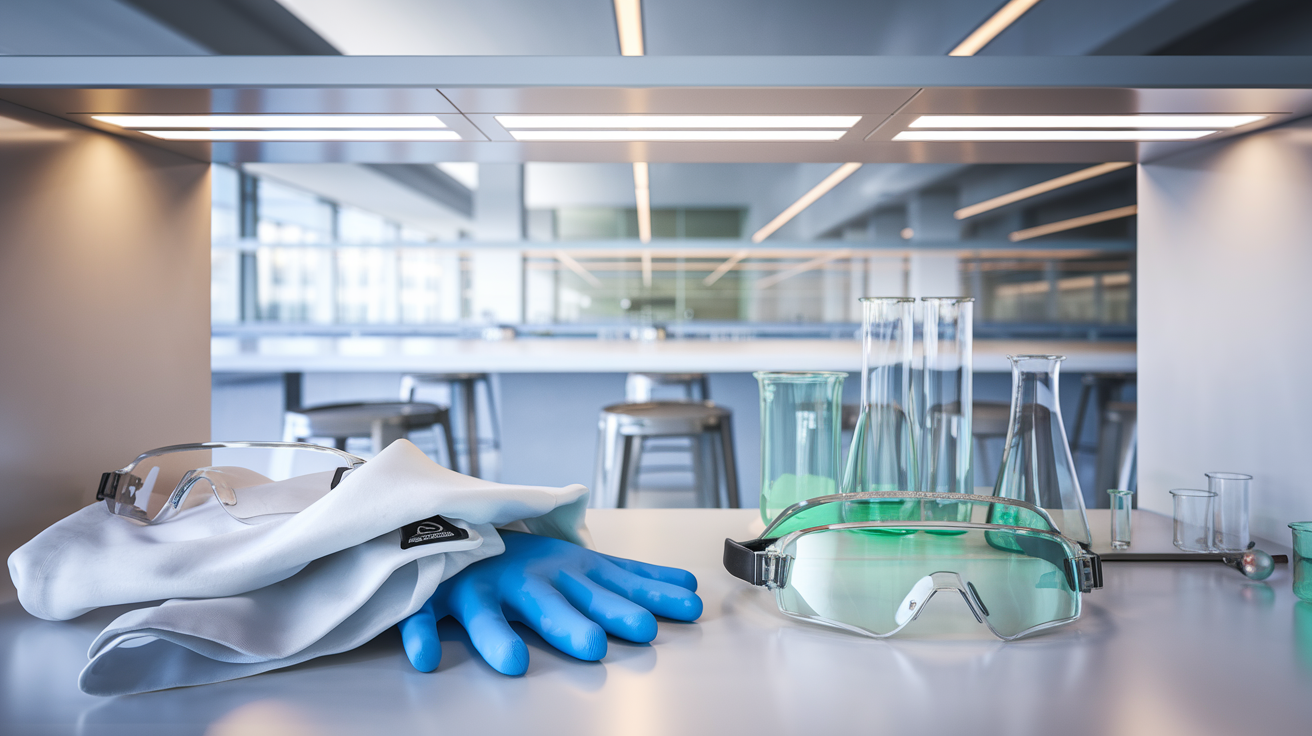
Table Of Contents
- Introduction
- The Importance of Safety in Chemistry Practicals
- Personal Protective Equipment (PPE)
- Essential Laboratory Rules and Conduct
- Safe Chemical Handling and Storage
- Laboratory Equipment Safety Guidelines
- Emergency Procedures and First Aid
- Pre-Practical Preparation for Students
- Chemistry Tutor Responsibilities
- Conclusion
Chemistry practical sessions are an essential component of O-Level science education, offering students hands-on experience with chemical reactions, laboratory techniques, and scientific inquiry. However, working with chemicals and laboratory equipment inherently carries certain risks. At EduFirst Learning Centre, we prioritize safety alongside educational excellence in our chemistry tuition programs.
This comprehensive safety checklist serves as a guide for students, parents, and tutors to ensure that every chemistry practical session is conducted with the highest safety standards. Whether you’re preparing for your O-Level Chemistry practical examination or participating in regular laboratory sessions, these guidelines will help create a secure learning environment where students can focus on understanding chemical concepts and developing crucial experimental skills.
Let’s explore the critical safety measures, from personal protective equipment to emergency procedures, that form the foundation of safe and effective chemistry practical education.
The Importance of Safety in Chemistry Practicals
Chemistry practicals involve working with various chemicals, some of which may be corrosive, toxic, flammable, or reactive. Understanding the importance of safety protocols is the first step toward creating a secure learning environment. Safety in chemistry laboratories serves multiple crucial purposes:
First and foremost, proper safety measures protect students and tutors from potential harm. Even seemingly harmless chemicals can pose risks if mishandled. Beyond physical protection, safety protocols create a structured environment where students can focus on learning rather than worrying about potential hazards. This psychological safety is essential for optimal learning outcomes.
Additionally, developing good safety habits during O-Level studies establishes a foundation for responsible scientific practice throughout a student’s academic journey. These habits become particularly valuable for students who pursue science at higher levels or in professional settings. At EduFirst Learning Centre, our small class sizes of 4-8 students allow tutors to closely monitor each student’s adherence to safety protocols, providing immediate guidance when needed.
Finally, understanding and implementing safety measures is itself an educational experience that teaches students about the properties of chemicals, risk assessment, and responsible scientific practice. These skills extend beyond the chemistry laboratory and contribute to a student’s overall development of critical thinking and responsibility.
Personal Protective Equipment (PPE)
Personal Protective Equipment forms the first line of defense in any chemistry laboratory. For O-Level chemistry practical sessions, several essential PPE items should be available and properly used by all participants:
Laboratory Coats
All students should wear properly fitting laboratory coats during practical sessions. These coats should be made of cotton or fire-resistant material and extend to the knees. Laboratory coats protect clothing and skin from chemical splashes and spills. They should be buttoned up throughout the practical session and should not be worn outside the laboratory environment to prevent cross-contamination.
Safety Goggles
Eye protection is non-negotiable in chemistry laboratories. Safety goggles should be worn at all times, even when not directly handling chemicals. They protect against chemical splashes, flying debris, and harmful vapors. Students who wear prescription glasses should wear safety goggles over them or obtain prescription safety glasses. Goggles should form a seal around the eyes to provide comprehensive protection.
Gloves
Appropriate gloves should be worn when handling chemicals, especially corrosive, toxic, or irritant substances. Different chemicals require different types of gloves – latex, nitrile, or neoprene. At EduFirst, our tutors guide students on the appropriate glove selection based on the chemicals being used. Remember that gloves protect against incidental contact but do not provide long-term protection against highly corrosive substances.
Hair and Clothing Considerations
Long hair should be tied back to prevent it from catching fire or dipping into chemicals. Loose clothing should be avoided, and open-toed shoes are prohibited in the laboratory. Any dangling jewelry should be removed before entering the laboratory, as it can catch on equipment or dip into chemical solutions.
Essential Laboratory Rules and Conduct
Establishing and following clear laboratory rules creates a disciplined environment where safety becomes second nature. These fundamental rules should be consistently enforced in all chemistry practical sessions:
No food or drink should ever be consumed in the laboratory. This rule prevents accidental ingestion of chemicals and contamination of food items. Even sealed water bottles should be kept outside the laboratory area. Similarly, cosmetics should never be applied in the laboratory, as this can transfer chemical residues to the face or lips.
Unauthorized experiments are strictly prohibited. Students should only conduct experiments under direct supervision and with explicit instructions from their tutors. Improvisation or mixing chemicals out of curiosity can lead to dangerous reactions. At EduFirst, our structured practical sessions ensure that all experiments are age-appropriate and properly supervised.
The laboratory should always be kept clean and organized. Workspaces should be wiped down before and after use, and all equipment should be returned to its designated storage location. Cluttered spaces increase the risk of accidents and make emergency response more difficult. With our small class sizes, tutors can ensure each student maintains their workspace properly.
Students should always be attentive and avoid distractions during practical sessions. Running, pushing, or horseplay is strictly prohibited in the laboratory. Mobile phones should be kept away unless specifically needed for educational purposes like timing reactions or documenting observations. Focused attention is critical for both learning outcomes and safety.
Finally, all accidents, spills, or breakages – no matter how minor – must be reported immediately to the tutor. Prompt reporting allows for appropriate cleanup and prevents secondary accidents. Creating an environment where students feel comfortable reporting mistakes without fear of punishment is essential for maintaining safety.
Safe Chemical Handling and Storage
Proper chemical handling and storage practices are fundamental to laboratory safety. O-Level chemistry students should be familiar with these essential guidelines:
Reading Labels and Safety Data Sheets
Before handling any chemical, students should be taught to read and understand chemical labels and safety symbols. These labels provide crucial information about hazards and precautions. At EduFirst, we ensure students understand the Globally Harmonized System (GHS) of chemical labeling and can recognize hazard pictograms. For more hazardous chemicals, Safety Data Sheets (SDS) should be available and reviewed before use.
Proper Measuring and Transferring Techniques
Chemicals should never be touched directly. Appropriate tools like spatulas, pipettes, or dispensers should be used for transferring chemicals. When measuring liquids in cylindrical vessels, students should read the measurement at eye level, with the meniscus at the correct position. For transferring liquids, students should be taught to use transfer pipettes or pouring techniques that prevent splashing or spilling.
Chemical Waste Disposal
Different chemicals require different disposal methods. Students should never pour chemicals down the drain unless specifically instructed to do so. Separate waste containers should be available for different categories of chemical waste. Our tutors provide clear instructions for the proper disposal of each chemical used in practical sessions, emphasizing both safety and environmental responsibility.
Storage Compatibility
While students may not be responsible for long-term chemical storage, understanding storage principles helps them work safely during practical sessions. Chemicals should be returned to their proper storage locations after use. Incompatible chemicals should never be stored together – for example, acids and bases, or oxidizers and flammable substances, must be separated to prevent hazardous reactions in case of container breakage.
Laboratory Equipment Safety Guidelines
Chemistry practical sessions involve various specialized equipment that must be handled correctly to ensure safety. Here are the key safety guidelines for common laboratory equipment used in O-Level chemistry:
Bunsen Burners and Heating Equipment
When using Bunsen burners, students should tie back hair and loose clothing to prevent ignition. The burner should be placed away from flammable materials and checked for gas leaks before lighting. Students should be taught the correct technique for lighting Bunsen burners using a spark lighter, never matches. When heating test tubes, the opening should point away from people to prevent ejection of hot contents toward anyone. Test tubes should be heated gently and evenly using a flame, with constant movement to prevent localized overheating.
Glassware Safety
All glassware should be inspected for cracks or chips before use. Damaged glassware can break unexpectedly during experiments, causing injuries and chemical spills. When inserting glass tubing into rubber stoppers, students should use water or glycerin as a lubricant and protect hands with a cloth. Glass waste should be disposed of in a designated sharps container, never in regular waste bins. To clean up broken glass, mechanical means like brushes and dustpans should be used, never bare hands.
Electrical Equipment
Electrical equipment like hot plates, stirrers, and digital scales should be kept away from water sources. Power cords should be checked for fraying or damage before use. Students should operate electrical equipment with dry hands and follow specific operating instructions for each device. Equipment should be turned off and unplugged when not in use. At EduFirst, our well-maintained facilities ensure all electrical equipment is regularly inspected and properly grounded.
Emergency Procedures and First Aid
Despite preventive measures, emergencies can still occur. Being prepared for common laboratory emergencies is essential for minimizing potential harm. All students and tutors should be familiar with these emergency procedures:
Chemical Spills
For small, manageable spills, appropriate spill kits should be available and used according to the type of chemical spilled. Different materials are required for acid spills versus base spills or organic solvents. The affected area should be cordoned off until completely cleaned and safe. For large spills or spills of particularly hazardous chemicals, the laboratory should be evacuated and professional help sought. EduFirst ensures that all our chemistry tuition facilities are equipped with appropriate spill containment materials.
Chemical Contact
If chemicals contact the skin, the affected area should be flushed with running water for at least 15 minutes. Contaminated clothing should be removed immediately. For eye contact, eye wash stations should be used to flush the eyes continuously for 15-20 minutes. After first aid measures, medical attention should be sought, especially for contact with corrosive or toxic chemicals. The specific chemical involved should be identified so that appropriate medical treatment can be provided.
Fire Safety
In case of fire, the type of fire determines the response. Small fires might be extinguished using appropriate fire extinguishers, but larger fires require immediate evacuation and calling emergency services. If a person’s clothing catches fire, they should stop, drop, and roll to extinguish the flames. All students should know the location of fire exits, fire blankets, and fire extinguishers. Fire drills should be conducted periodically to ensure everyone knows evacuation procedures.
First Aid Basics
Basic first aid knowledge is essential in laboratory settings. This includes handling minor cuts, burns, and chemical exposures. A well-stocked first aid kit should be readily accessible, and at least one person with first aid training should be present during practical sessions. At EduFirst, our chemistry tutors receive basic first aid training specific to laboratory emergencies, ensuring immediate response capabilities while waiting for medical professionals if needed.
Pre-Practical Preparation for Students
Proper preparation before entering the laboratory significantly enhances safety and learning outcomes. Students should follow these preparatory guidelines before each practical session:
Understanding the Experiment
Students should thoroughly read and understand the experimental procedure before entering the laboratory. This preparation allows them to focus on safe execution rather than figuring out next steps while handling chemicals. They should understand the purpose of the experiment, the expected observations, and potential hazards associated with the chemicals and procedures involved. At EduFirst, we provide detailed pre-lab briefings to ensure students are fully prepared for each practical session.
Appropriate Attire
Students should come dressed appropriately for laboratory work. This means wearing closed-toe shoes, avoiding loose-fitting clothing, and tying back long hair. Contact lenses are not recommended in the laboratory as they can trap chemicals against the eye in case of splash exposure. Instead, students who require vision correction should wear prescription glasses under safety goggles.
Health Considerations
Students with relevant health conditions, such as allergies to specific chemicals, asthma, or skin sensitivities, should inform their tutors before practical sessions. Alternative arrangements or additional precautions can then be implemented as needed. Students should also avoid participating in practical sessions if they have open wounds on exposed skin, as these can increase chemical absorption in case of contact.
Mental Preparation
Being in the right mindset is crucial for laboratory safety. Students should arrive well-rested and focused. They should leave personal concerns outside the laboratory and commit to following all safety protocols. A calm, attentive approach minimizes the risk of accidents caused by distraction or haste. With our small class sizes, EduFirst tutors can assess each student’s readiness and provide additional guidance when needed.
Chemistry Tutor Responsibilities
Effective supervision is essential for maintaining safety in chemistry practical sessions. At EduFirst Learning Centre, our tutors adhere to these key responsibilities:
Pre-Session Safety Checks
Before each practical session, tutors should conduct comprehensive safety checks of the laboratory environment. This includes ensuring all safety equipment is operational, chemicals are properly stored, and workstations are clean. Emergency equipment like eyewash stations, fire extinguishers, and first aid kits should be checked regularly and maintained in good working order. At EduFirst, our chemistry practical facilities undergo systematic safety reviews to ensure they meet all educational and safety standards.
Clear Safety Briefings
Each practical session should begin with a safety briefing that highlights specific hazards associated with the day’s experiment. This briefing should include proper handling procedures for the chemicals being used, emergency protocols relevant to the experiment, and reminders about general laboratory safety rules. Visual demonstrations of safety procedures are often more effective than verbal instructions alone. Our small class sizes enable tutors to ensure all students fully understand safety requirements before experiments begin.
Continuous Supervision
Tutors must maintain active supervision throughout practical sessions, monitoring student behavior and technique. This means moving around the laboratory, observing students’ work, and providing immediate feedback on safety practices. Particular attention should be paid during critical steps like heating substances or handling concentrated chemicals. EduFirst’s maximum class size of 8 students ensures our tutors can provide this level of attentive supervision.
Emergency Preparedness
Tutors must be fully prepared to handle laboratory emergencies. This includes knowing the location and proper use of all safety equipment, understanding emergency evacuation procedures, and having contact information for emergency services readily available. They should be trained in basic first aid relevant to laboratory incidents and know when to call for professional medical assistance. Our tutors receive specialized training in laboratory safety and emergency response to ensure they can react appropriately to any situation.
Conclusion
Safety in O-Level chemistry practical sessions is not merely a regulatory requirement but a fundamental aspect of quality science education. By following the comprehensive safety guidelines outlined in this checklist, students can explore chemical concepts and develop laboratory skills in a secure environment that promotes both learning and wellbeing.
At EduFirst Learning Centre, safety is integrated into our teaching philosophy across all 25 locations in Singapore. Our approach combines rigorous safety protocols with engaging, hands-on learning experiences that prepare students for O-Level examinations and beyond. The small class sizes in our chemistry tuition programs ensure that each student receives personalized guidance on both scientific concepts and laboratory safety.
We encourage students and parents to prioritize safety alongside academic achievement when selecting chemistry tuition services. By choosing educational providers that maintain high safety standards, you invest not only in examination success but also in developing responsible scientific practices that will benefit students throughout their academic and professional journeys.
Remember that safety in chemistry is a shared responsibility between educational institutions, tutors, and students. By working together and maintaining constant vigilance, we can create laboratory environments where scientific curiosity flourishes without compromise to personal wellbeing.
Experience Safe and Effective O-Level Chemistry Tuition
Looking for chemistry tuition that prioritizes both academic excellence and student safety? EduFirst Learning Centre offers comprehensive O-Level Chemistry programs with well-equipped facilities and experienced tutors across 25 locations in Singapore.
Our small class sizes ensure personalized attention and proper supervision during practical sessions. Contact us today to learn more about our approach to chemistry education and how we can help your child excel in their O-Level examinations.