- Feb 1, 2026
Nutrition for Brain Performance: Tutor-Approved Snack List for Singapore Students
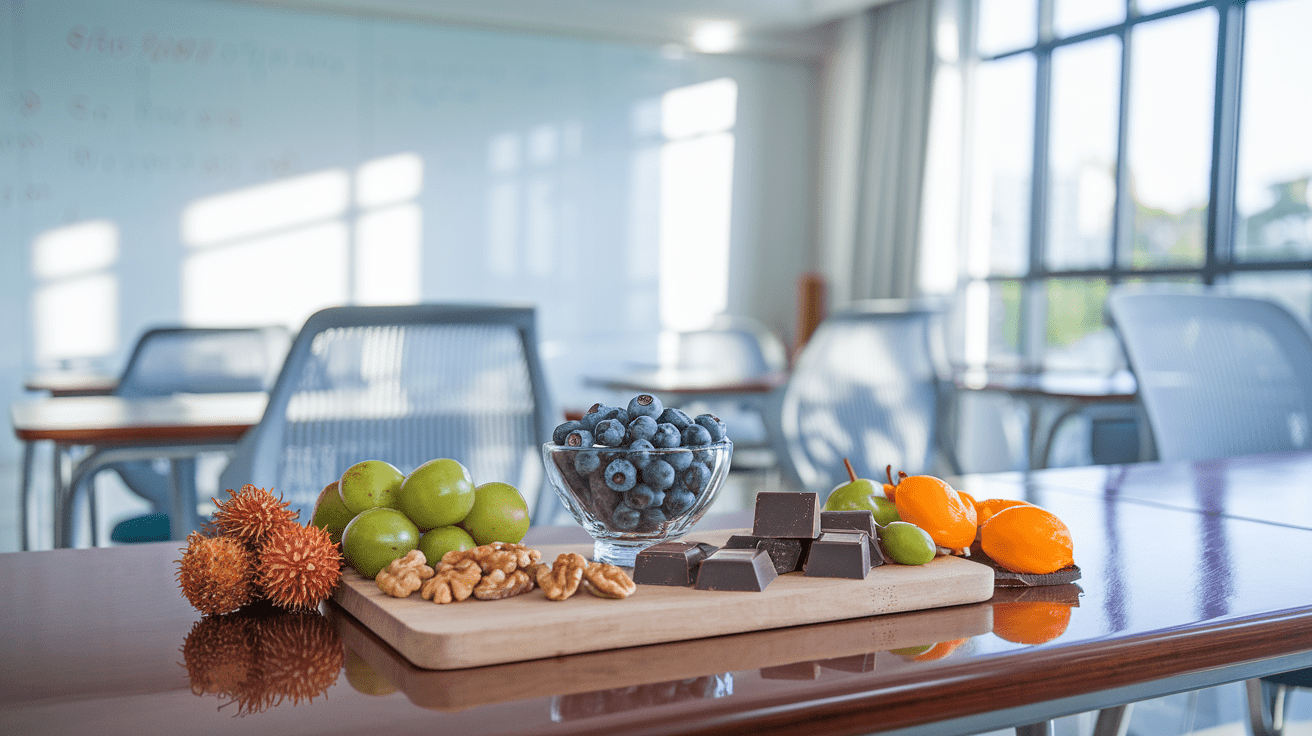
Table Of Contents
- Introduction
- How Nutrition Affects Academic Performance
- Essential Nutrients for Optimal Brain Function
- Tutor-Approved Brain-Boosting Snacks
- Creating a Brain-Friendly Meal Plan
- Foods to Limit for Better Cognitive Function
- Hydration and Brain Performance
- Conclusion
As parents, we all want to give our children every possible advantage when it comes to their education. While tuition classes, study schedules, and proper sleep habits are commonly emphasized, there’s another crucial factor that significantly impacts academic performance: nutrition. At EduFirst Learning Centre, our tutors have observed firsthand how proper nutrition can make a remarkable difference in a student’s ability to concentrate, retain information, and perform well in examinations.
Singapore’s competitive academic environment places high demands on students, making proper brain nutrition not just beneficial but essential. Our tutors, who work closely with small groups of 4-8 students, have compiled this comprehensive guide to brain-boosting foods based on both scientific research and classroom observations. The right snacks can provide the mental edge needed for tackling challenging subjects like mathematics, sciences, or languages.
In this article, we’ll explore how specific nutrients affect brain function, present a tutor-approved list of brain-boosting snacks suitable for Singapore students, and offer practical advice for incorporating these foods into your child’s daily routine. Whether your child is preparing for PSLE, O-levels, or just needs sustained focus for daily homework, these nutritional strategies can help maximize their cognitive potential.
How Nutrition Affects Academic Performance
The connection between nutrition and academic performance is backed by substantial scientific research. The brain, despite representing only about 2% of your body weight, consumes approximately 20% of your daily energy intake. This high energy demand means that the quality and timing of nutrition directly impacts how well the brain functions, especially during periods of intense mental activity like studying.
Our tutors at EduFirst Learning Centre have consistently noticed patterns in student performance related to their eating habits. Students who arrive at tuition classes after consuming balanced meals tend to display better focus, participate more actively in discussions, and demonstrate improved problem-solving abilities. Conversely, those who skip meals or consume primarily processed foods and sugary snacks often struggle with concentration and experience mid-session energy crashes.
The brain requires a steady supply of glucose for optimal function. However, not all sources of glucose are created equal. Complex carbohydrates provide a sustained release of energy, while simple sugars cause rapid spikes and subsequent crashes in blood glucose levels. This explains why a student might feel temporarily energized after consuming a sugary drink, only to experience fatigue and difficulty concentrating shortly afterward.
Beyond energy provision, specific nutrients play crucial roles in cognitive processes including memory formation, information processing, and attention span. Omega-3 fatty acids, for instance, are essential for brain cell structure and communication. Antioxidants help protect brain cells from oxidative stress, while certain vitamins and minerals serve as cofactors in neurotransmitter production and neural pathway development.
Essential Nutrients for Optimal Brain Function
Based on both scientific literature and our tutors’ observations, these key nutrients have demonstrated significant benefits for student cognitive performance:
Omega-3 Fatty Acids
These essential fats form a crucial component of brain cell membranes and neural pathways. DHA, a specific type of omega-3, makes up approximately 25% of the brain’s fat content and is vital for normal brain development and function. Students with higher omega-3 intake often demonstrate better reading comprehension and mathematical reasoning. Good sources include fatty fish (salmon, mackerel), walnuts, flaxseeds, and chia seeds.
Antioxidants
The brain is particularly vulnerable to oxidative stress due to its high oxygen consumption. Antioxidants like vitamins C, E, and flavonoids help protect brain cells from damage. Students with diets rich in colorful fruits and vegetables—especially berries, citrus fruits, and dark leafy greens—often maintain better cognitive function during long study sessions.
B Vitamins
This family of vitamins plays essential roles in energy metabolism and neurotransmitter synthesis. Vitamin B6, B12, and folate are particularly important for cognitive function and memory. Deficiencies in these vitamins can lead to fatigue, poor concentration, and memory lapses. Good sources include whole grains, eggs, lean meats, legumes, and leafy greens.
Protein
Amino acids from protein foods serve as building blocks for neurotransmitters that facilitate communication between brain cells. Tyrosine, an amino acid found in protein-rich foods, helps produce dopamine and norepinephrine—neurotransmitters that promote alertness and mental energy. Quality protein sources include eggs, poultry, fish, dairy, tofu, and legumes.
Complex Carbohydrates
The brain’s preferred energy source is glucose, which comes from carbohydrates. Complex carbohydrates found in whole grains, fruits, and vegetables provide a steady, sustained release of glucose, supporting extended periods of mental focus. This is particularly important for Singapore students preparing for examinations or engaging in lengthy tuition sessions.
Magnesium and Zinc
These minerals support hundreds of biochemical reactions in the brain. Magnesium aids in stress management and sleep quality, while zinc contributes to learning and memory function. Sources include nuts, seeds, whole grains, and dark chocolate.
Tutor-Approved Brain-Boosting Snacks
At EduFirst Learning Centre, our tutors have compiled this list of brain-friendly snacks based on their effectiveness in supporting student performance. These recommendations are particularly suited to the Singaporean context, considering local availability, cultural preferences, and practicality.
Pre-Study Snacks
Consuming the right foods 30-60 minutes before studying or attending a tuition session can optimize brain function and energy levels. Our tutors recommend:
1. Yogurt with Berries and Honey – This combination provides protein for sustained mental energy, antioxidants from berries to support brain cell health, and a modest amount of natural sugar for immediate brain fuel. Greek yogurt is particularly effective due to its higher protein content.
2. Wholegrain Toast with Avocado – Complex carbohydrates from wholegrain bread provide steady energy, while avocados contribute healthy fats that support brain cell structure and communication. A sprinkle of seeds adds zinc and magnesium.
3. Nut Butter with Apple Slices – The protein and healthy fats in nut butters (almond, peanut) paired with the fiber and natural sugars in apples create an ideal balance for sustained mental energy. This combination helps prevent both hunger distractions and energy crashes.
4. Oatmeal with Cinnamon and Walnuts – Oats provide complex carbohydrates for extended energy release, while walnuts contribute omega-3 fatty acids. Cinnamon has been shown to help regulate blood sugar levels, preventing the cognitive dips associated with sugar crashes.
During-Study Snacks
For extended study sessions, these snacks can help maintain focus without causing distraction or energy fluctuations:
1. Trail Mix with Nuts, Seeds, and Dark Chocolate – This balanced mix provides protein, healthy fats, and a small amount of caffeine and flavanols from dark chocolate, which have been shown to improve short-term cognitive function. Our tutors recommend a homemade mix to control sugar content.
2. Edamame – These young soybeans are popular in Singapore and provide protein and complex carbohydrates in a convenient, mess-free package. They’re particularly effective for maintaining concentration during mathematics or science problem-solving.
3. Hard-Boiled Eggs – Rich in choline, which is essential for memory and brain development, eggs provide high-quality protein without the need for messy preparation. Students can easily consume them without disrupting their study flow.
4. Seaweed Snacks – These light snacks are rich in iodine, which supports thyroid function and thereby cognitive processes. Their convenient packaging and non-messy nature make them ideal for study sessions.
Post-Study Snacks
After intensive mental work, the brain benefits from foods that support recovery and memory consolidation:
1. Smoothie with Spinach, Banana, and Milk – This combination provides nutrients that support neurotransmitter production and brain recovery. Bananas contribute potassium and vitamin B6, while spinach adds folate and antioxidants.
2. Hummus with Vegetables – Chickpeas in hummus contain choline, which supports memory consolidation, while colorful vegetables add antioxidants that protect brain cells from oxidative stress generated during intense mental activity.
3. Wholegrain Crackers with Sardines – This combination provides omega-3 fatty acids from sardines along with complex carbohydrates. Omega-3s support the brain’s recovery processes and help strengthen neural connections formed during study.
4. Turmeric Milk (Golden Milk) – This traditional drink combines milk’s protein and B vitamins with turmeric’s anti-inflammatory curcumin. It’s particularly beneficial before bedtime as it supports both brain recovery and quality sleep—essential for memory consolidation.
Creating a Brain-Friendly Meal Plan
Beyond individual snacks, our tutors at EduFirst Learning Centre emphasize the importance of consistent, balanced nutrition throughout the day. Here’s a framework for developing a brain-optimized meal plan for Singapore students:
Breakfast – This crucial meal sets the stage for cognitive performance throughout the morning. Include protein (eggs, yogurt, milk), complex carbohydrates (oatmeal, wholegrain bread), and fruits. Avoiding sugary breakfast cereals and pastries prevents mid-morning energy crashes that affect school performance.
Lunch – Singapore’s school lunch periods are often brief, making efficient nutrition essential. Bento-style packed lunches with compartments for protein, vegetables, and complex carbohydrates ensure balanced nutrition. Include items like brown rice, lean protein (chicken, fish, tofu), and colorful vegetables.
After-School Snack – This critical refueling opportunity should bridge the gap between school and tuition or homework sessions. Combine protein with complex carbohydrates: yogurt with fruit, wholegrain crackers with cheese, or a small sandwich on wholegrain bread.
Dinner – Evening meals should include all major nutrient groups while avoiding excessive heaviness that might interfere with sleep quality. Traditional Singapore meals can be optimized by increasing vegetable portions, choosing brown rice over white, and including fatty fish regularly for omega-3 fatty acids.
Pre-Bedtime Snack (if needed) – If students study late, a small protein-rich snack before bed can support overnight brain recovery and memory consolidation. Options include a small handful of nuts or a glass of milk.
Foods to Limit for Better Cognitive Function
Just as certain foods support brain performance, others can undermine cognitive function. Based on classroom observations, our tutors have identified these categories as particularly detrimental to student performance:
Sugary Beverages – Bubble tea, soft drinks, and even many commercial fruit juices cause rapid blood sugar spikes followed by crashes. Students consuming these beverages before tuition often experience difficulty concentrating midway through sessions. Water, unsweetened tea, or diluted fruit juice are better alternatives.
Highly Processed Snack Foods – Many convenient snacks (certain chips, crackers, and packaged pastries) contain trans fats and refined carbohydrates that provide little nutritional value while potentially promoting inflammation that affects brain function.
Excessive Caffeine – While small amounts can enhance alertness, excessive caffeine from coffee drinks, energy drinks, or certain teas can cause anxiety, jitteriness, and eventual crashes—all detrimental to steady academic performance.
Heavy, High-Fat Meals – Large meals high in saturated fats divert blood flow to digestion and away from the brain, leading to the familiar post-meal drowsiness. This is particularly problematic before examinations or important study sessions.
Hydration and Brain Performance
In Singapore’s tropical climate, hydration deserves special attention. Even mild dehydration of 1-2% can impair cognitive function, affecting attention, working memory, and executive functions. Our tutors have observed significant performance differences in students based on their hydration habits.
For optimal brain function, we recommend students:
• Carry a reusable water bottle to school and tuition classes
• Aim for at least 1.5-2 liters of water daily (more during physical activity or hot weather)
• Establish regular water breaks during study sessions—ideally drinking small amounts frequently rather than large volumes infrequently
• Recognize subtle signs of dehydration including headache, difficulty concentrating, and unusual fatigue
For students who find plain water unappealing, try adding slices of fruit (lemon, cucumber, berries) or herbs (mint, basil) for natural flavoring without added sugar.
Conclusion
Nutrition plays a vital yet often overlooked role in academic performance. At EduFirst Learning Centre, our experience working with thousands of Singapore students has shown repeatedly that proper brain nutrition can make a significant difference in learning outcomes. The tutor-approved snacks and meal strategies outlined in this guide can help your child maintain optimal cognitive function throughout their academic journey.
Remember that nutrition works best as part of a holistic approach to learning. Even the best brain foods cannot replace quality instruction, consistent study habits, and adequate sleep. However, when combined with EduFirst’s personalized small-group tuition approach, proper nutrition creates the optimal conditions for academic success.
We encourage parents to gradually implement these nutritional strategies, involving children in food choices and preparation when possible. This not only improves compliance but also teaches valuable life skills regarding nutrition and health. Small, consistent changes often yield better results than dramatic dietary overhauls.
For more guidance on supporting your child’s academic journey, including personalized tuition programs tailored to their specific learning needs, contact EduFirst Learning Centre today. Our experienced tutors are ready to help your child reach their full potential through personalized education that addresses every aspect of learning—including brain-optimized nutrition.
Want to learn more about how EduFirst can help your child excel academically?
Our personalized approach to education includes small class sizes of just 4-8 students, ensuring your child receives the individualized attention they need to thrive.