- Feb 9, 2026
Master Secondary & O-Level Chinese: Your Complete Learning Roadmap

Table Of Contents
- Understanding the Secondary Chinese Curriculum
- Key Challenges in Chinese Language Learning
- O-Level Chinese Examination Breakdown
- Building Strong Foundations: Sec 1 and 2
- Critical Skills Development: Sec 3
- Exam Preparation Strategies: Sec 4
- The Personalized Learning Approach
- Beyond Exams: Practical Applications of Chinese Proficiency
- Parent Support Framework
- EduFirst Chinese Mastery Programme
Mastering Chinese at the Secondary and O-Level can be a transformative educational journey that opens doors to cultural understanding, cognitive development, and future opportunities. Yet for many Singapore students, Chinese remains one of the most challenging subjects in the curriculum, often causing stress and anxiety.
At EduFirst Learning Centre, we understand these challenges intimately. Since 2010, we’ve guided thousands of students through their Chinese language journey with our specialized approach to language mastery. Our carefully structured Chinese language programme addresses both the technical aspects of language acquisition and the psychological barriers many students face.
This comprehensive roadmap outlines the path to Chinese language proficiency for Secondary students preparing for O-Level examinations. From building fundamental skills in lower Secondary to mastering advanced examination techniques in upper Secondary, we’ll guide you through each stage of the learning process with practical strategies and proven methodologies.
Understanding the Secondary Chinese Curriculum
The Secondary Chinese curriculum in Singapore is designed to build upon the foundations established during primary education while preparing students for the rigors of O-Level examinations. It encompasses multiple language competencies and is structured to develop students into proficient Chinese language users.
The Ministry of Education’s Chinese Language syllabus emphasizes four key areas: listening comprehension, oral communication, reading comprehension, and written expression. These components are carefully balanced to ensure students develop well-rounded language abilities rather than excelling in isolated skills.
For Secondary students, the curriculum progresses from basic language reinforcement in Secondary 1 to more sophisticated language applications by Secondary 4. This progressive approach allows students to build confidence gradually while developing increasingly complex language capabilities.
Different course options are available to cater to varying proficiency levels. These include:
- Higher Chinese (HCL) – For students with strong language foundations and higher aptitude
- Express Chinese – The standard O-Level Chinese course
- Normal Academic (NA) Chinese – Adjusted pace with the same fundamental content
- Chinese B Syllabus – For students who need additional support
Understanding which track best suits your child’s abilities and learning style is crucial for setting realistic goals and establishing an effective learning pathway.
Key Challenges in Chinese Language Learning
Before mapping out a mastery strategy, it’s important to recognize the common obstacles Secondary students face when learning Chinese in Singapore’s context:
Character Recognition and Memorization
Unlike alphabetic languages, Chinese requires memorization of thousands of unique characters. By Secondary level, students need to recognize approximately 2,500-3,000 characters for O-Level proficiency. This visual memorization burden represents one of the most significant challenges for students, particularly those from predominantly English-speaking households.
Composition Skills
Chinese composition requires not only character knowledge but also cultural context, idiomatic expressions, and structural conventions that differ significantly from English writing. Many students struggle with expressing complex ideas fluently and coherently in written Chinese.
Oral Fluency
The gap between textbook Chinese and conversational fluency can be substantial. Students often lack confidence in speaking, particularly when required to express opinions or engage in discussions during oral examinations.
Comprehension Depth
Understanding nuanced texts, inferring meaning, and interpreting cultural references in Chinese passages requires both language proficiency and cultural knowledge. This comprehension depth is challenging but essential for excelling in examinations.
O-Level Chinese Examination Breakdown
Success in O-Level Chinese requires a clear understanding of the examination format and requirements. The examination consists of three main papers:
Paper 1: Writing (写作) – 2 hours, 27.5% of total grade
This paper tests students’ ability to express themselves in written Chinese through two main components:
Composition (作文) – Students choose one topic from a selection and write a composition of at least 400 characters. This tests creative expression, language accuracy, and structural organization.
Letter Writing (实用文) – Students write a formal or informal letter based on given scenarios, demonstrating their ability to communicate effectively in different contexts.
Paper 2: Language Usage and Comprehension (语文应用与理解) – 1 hour 45 minutes, 52.5% of total grade
This comprehensive paper includes:
Language Usage (语文应用) – Testing vocabulary, grammar, and language conventions through multiple-choice questions, cloze passages, and word replacement exercises.
Reading Comprehension (阅读理解) – Including multiple passages of varying difficulty with questions testing literal understanding, inference, and critical analysis.
Paper 3: Listening Comprehension and Oral Communication – 20% of total grade
Listening Comprehension (听力理解) – Approximately 35 minutes of audio material with multiple-choice questions testing auditory comprehension.
Oral Examination (口试) – Consisting of reading passage recitation (朗读), picture description (看图说话), and conversation (会话) components that test pronunciation, fluency, and spontaneous communication abilities.
Understanding this structure allows students to allocate their preparation time strategically and focus on components that carry higher weightage or present greater personal challenges.
Building Strong Foundations: Sec 1 and 2
The early Secondary years are critical for establishing robust foundations that will support more advanced learning in upper Secondary. Our roadmap for these formative years focuses on:
Character Acquisition Strategy
Rather than rote memorization, we recommend a structured approach to character learning that includes:
Radical Recognition – Understanding the building blocks of Chinese characters helps students recognize patterns and make connections between similar characters.
Contextual Learning – Learning characters within meaningful contexts rather than in isolation improves retention and practical application.
Digital Tools Integration – Utilizing appropriate apps and digital flashcard systems to reinforce character recognition through spaced repetition.
Vocabulary Building
Secondary 1 and 2 students should aim to expand their vocabulary systematically by:
Thematic Categorization – Organizing vocabulary by themes (such as environment, technology, or relationships) to create meaningful associations.
Common Word Combinations – Learning words in common combinations and collocations rather than in isolation.
Active Usage – Incorporating newly learned vocabulary into simple sentences and short compositions to reinforce understanding.
Basic Comprehension Skills
Developing fundamental comprehension abilities involves:
Regular Reading Practice – Starting with level-appropriate texts and gradually increasing complexity.
Question Analysis Techniques – Learning to identify key information required by different question types.
Contextual Inference – Developing the ability to understand unfamiliar words through contextual clues.
At EduFirst Learning Centre, our Lower Secondary Chinese programme emphasizes these fundamental building blocks through our small-group approach, ensuring students receive personalized guidance during this crucial foundation-building period.
Critical Skills Development: Sec 3
Secondary 3 represents a pivotal transition period where students move from basic language acquisition to more sophisticated language application. This year serves as a bridge between foundation building and exam preparation.
Advanced Composition Techniques
Secondary 3 is the ideal time to refine composition skills by focusing on:
Structural Organization – Learning effective introduction, development, and conclusion patterns for various composition types.
Descriptive Language – Expanding vocabulary for vivid descriptions and learning to use sensory details effectively.
Narrative Techniques – Developing skills in storytelling, character development, and plot construction.
Argumentative Writing – Building logical reasoning and persuasive writing capabilities.
Comprehensive Reading Strategies
As text complexity increases, students need more sophisticated comprehension approaches:
Critical Analysis – Learning to identify main ideas, supporting details, and author’s intent in increasingly complex texts.
Inference Training – Developing the ability to read between lines and understand implied meanings.
Contextual Understanding – Recognizing cultural references and idiomatic expressions in authentic texts.
Oral Communication Refinement
Secondary 3 is the time to polish oral skills in preparation for the O-Level oral examination:
Pronunciation Precision – Focusing on accurate tones and clear articulation.
Impromptu Speaking – Developing the ability to organize thoughts quickly and respond fluently to unexpected topics.
Expression and Engagement – Learning to maintain appropriate eye contact, use natural gestures, and vary tone to engage listeners.
Our Secondary 3 programme at EduFirst specifically targets these transitional skills, helping students bridge the gap between basic language competency and the more sophisticated abilities required for O-Level excellence.
Exam Preparation Strategies: Sec 4
The final year of Secondary education requires a strategic approach that combines continued skill development with focused examination preparation techniques.
Timed Practice and Simulation
Regular exposure to examination conditions builds confidence and time management skills:
Full Paper Practice – Completing entire examination papers under timed conditions to build stamina and pace awareness.
Component-Specific Drills – Targeted practice for challenging sections to build specific skills and confidence.
Mock Oral Examinations – Simulating the complete oral examination experience with external evaluators to reduce anxiety.
Question Analysis and Answer Techniques
Developing strategic approaches to different question types:
Question Type Categorization – Learning to quickly identify what different questions are asking and the appropriate response format.
Mark Allocation Analysis – Understanding how marks are awarded for different questions and adjusting answer depth accordingly.
Sample Answer Study – Analyzing high-scoring responses to understand examiner expectations.
Strategic Revision
Effective revision approaches for Chinese language preparation:
Topic Clustering – Organizing revision by thematic units rather than chronological order.
Weak Area Identification – Using diagnostic assessments to identify and prioritize areas needing additional focus.
Spaced Repetition – Implementing scientifically-proven revision schedules that optimize memory retention.
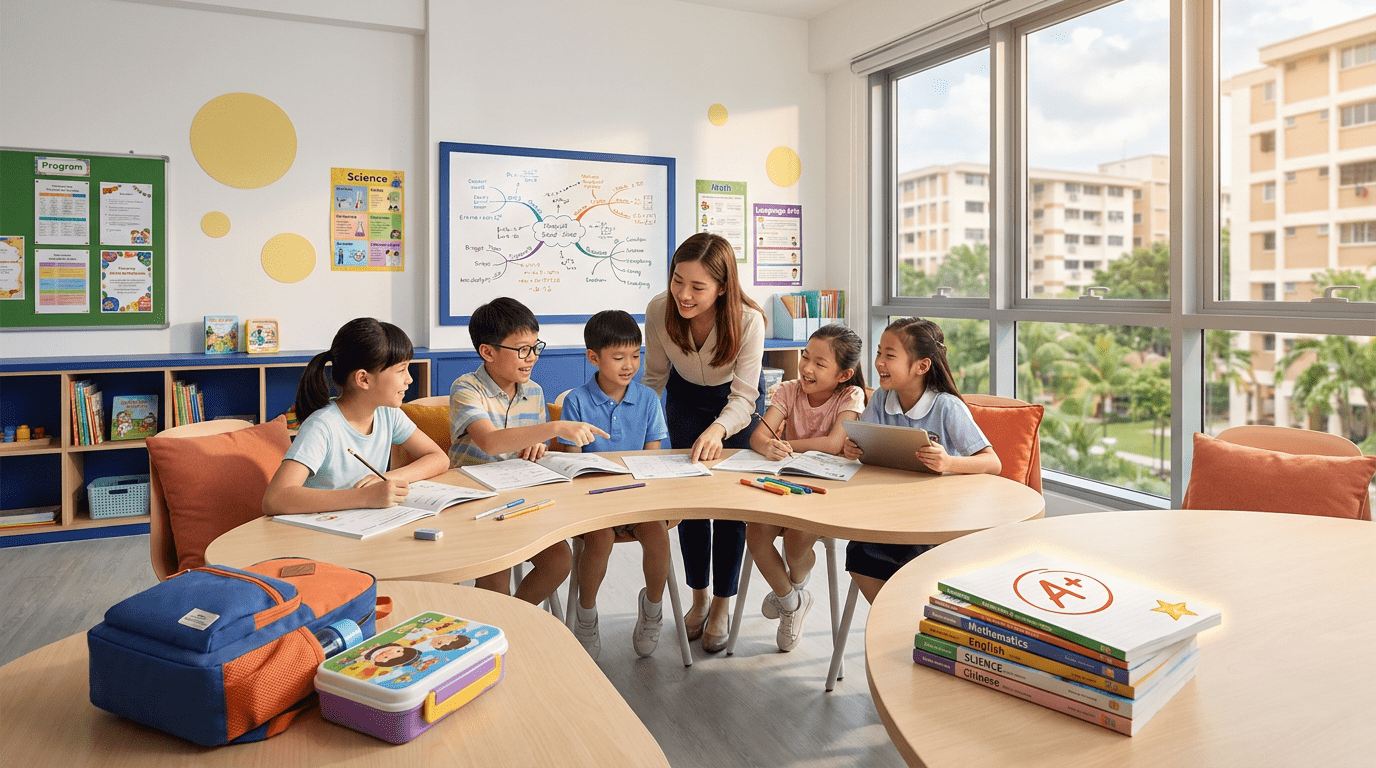
At EduFirst, our Secondary 4 programme incorporates these strategic preparation elements while maintaining small class sizes of 4-8 students. This allows our experienced teachers to provide personalized feedback and targeted intervention based on each student’s specific examination needs.
The Personalized Learning Approach
Every student’s journey to Chinese language mastery is unique, influenced by factors such as prior exposure, learning style, and specific strengths and challenges. EduFirst’s approach to Chinese language education acknowledges this individuality through:
Diagnostic Assessment
Before developing a learning roadmap, we conduct comprehensive assessments to identify:
Current Proficiency Level – Determining vocabulary range, grammatical accuracy, and functional abilities.
Specific Strengths – Identifying components where the student demonstrates natural aptitude.
Challenge Areas – Pinpointing specific skills or knowledge gaps requiring targeted intervention.
Individualized Learning Pathways
Based on diagnostic results, we develop customized learning plans that:
Prioritize Key Development Areas – Focusing more attention on identified weaknesses while maintaining growth in stronger areas.
Match Learning Styles – Adapting teaching methodologies to align with visual, auditory, or kinesthetic learning preferences.
Set Progressive Milestones – Establishing achievable short-term goals that build toward long-term mastery.
Regular Progress Monitoring
Continuous assessment ensures the learning pathway remains effective:
Formative Assessments – Regular low-stakes evaluations that provide immediate feedback on skill development.
Progress Conferences – Scheduled reviews with students and parents to discuss advancement and adjust strategies as needed.
Adaptive Teaching – Modifying approaches based on observed learning patterns and outcomes.
This personalized approach, made possible by EduFirst’s commitment to small class sizes of 4-8 students, ensures that each student receives the specific support they need at each stage of their Chinese language journey.
Beyond Exams: Practical Applications of Chinese Proficiency
While O-Level success is a primary goal, we believe in developing Chinese language skills that extend beyond examination requirements and provide lifelong benefits:
Cultural Literacy and Appreciation
Chinese language proficiency opens doors to cultural understanding through:
Media Engagement – Ability to enjoy Chinese films, music, and literature in their original form.
Cultural Context – Understanding traditions, values, and historical perspectives that shape contemporary Chinese-speaking societies.
Intergenerational Connection – Enhanced ability to communicate with family members and community elders.
Future Educational Advantages
Strong Chinese language skills create educational opportunities including:
Subject Combination Flexibility – Higher Chinese results provide additional points for Junior College admission.
Bilingual Scholarship Opportunities – Access to specialized funding for students demonstrating strong bilingual capabilities.
International Study Options – Expanded opportunities for exchange programs or university study in Chinese-speaking regions.
Career Readiness
In today’s globalized economy, Chinese language proficiency offers significant career advantages:
Expanded Job Market – Access to positions requiring bilingual capabilities in multinational corporations.
Regional Business Opportunities – Ability to engage directly with the world’s second-largest economy and surrounding Chinese-speaking markets.
Competitive Differentiation – Standing out in job applications with valuable language skills that many peers may lack.
At EduFirst Learning Centre, our Chinese language curriculum intentionally balances examination preparation with these broader applications, ensuring students develop not just exam techniques but genuine language proficiency that serves them throughout life.
Parent Support Framework
Parents play a crucial role in supporting Chinese language development, regardless of their own proficiency level. Our parent support framework provides practical strategies for effective home reinforcement:
Creating a Supportive Learning Environment
Parents can enhance Chinese learning through environmental factors:
Media Exposure – Introducing age-appropriate Chinese language media such as films with subtitles, music, or podcasts.
Cultural Engagement – Participating in cultural events, festivals, or community activities that provide authentic language exposure.
Digital Resources – Setting up language learning apps and resources that reinforce classroom learning.
Monitoring and Motivation
Effective parental engagement includes:
Regular Check-ins – Scheduled conversations about Chinese language progress and challenges.
Celebration of Milestones – Acknowledging and rewarding progress to maintain motivation.
Stress Management – Helping students maintain a balanced perspective on language learning and examinations.
Non-Chinese Speaking Parents
Parents without Chinese proficiency can still provide valuable support through:
Interest and Engagement – Showing genuine curiosity about what their child is learning.
Learning Together – Taking an interest in basic Chinese and learning alongside their child.
Resource Connection – Linking students with additional resources such as language exchange partners or community programs.
EduFirst’s parent partnership approach includes regular updates on curriculum progress, specific guidance for home support, and parent education workshops designed to empower all families to support Chinese language development effectively.
EduFirst Chinese Mastery Programme
Our comprehensive Secondary Chinese programme synthesizes all elements of this roadmap into a structured learning journey designed for O-Level success and beyond.
Programme Features
Small Group Instruction – Classes limited to 4-8 students ensure personalized attention and active participation.
Experienced Educators – Qualified teachers with proven track records in O-Level Chinese preparation.
Comprehensive Materials – Carefully developed resources that address all examination components while building genuine language proficiency.
Regular Assessments – Ongoing evaluation to track progress and adjust teaching strategies accordingly.
Technology Integration – Blended learning approaches that combine traditional teaching with digital tools for enhanced engagement.
Programme Structure
Weekly Sessions – Regular classes structured to build consistent learning habits and steady progress.
Holiday Intensives – Focused workshops during school holidays to address specific skills or examination components.
Mock Examinations – Full simulation of examination conditions with detailed feedback and improvement strategies.
Individual Consultations – One-on-one sessions to address specific challenges and refine personal learning strategies.
With 25 convenient locations island-wide, EduFirst makes quality Chinese language education accessible to students across Singapore. Our proven methodology has helped thousands of students transform their relationship with Chinese language learning and achieve significant improvements in their O-Level results.
Mastering Secondary and O-Level Chinese is a journey that requires structured guidance, consistent effort, and strategic preparation. While the path may seem challenging, the right approach transforms this journey from one of struggle to one of progressive achievement and confidence building.
EduFirst Learning Centre’s Chinese Mastery Roadmap provides a comprehensive framework that addresses both the technical aspects of language acquisition and the psychological elements of motivation and confidence. Our small-group approach ensures that each student receives the personalized attention they need to overcome individual challenges while benefiting from collaborative learning opportunities.
Beyond academic success, proficiency in Chinese opens doors to cultural understanding, educational advantages, and future career opportunities in an increasingly connected world. By investing in structured Chinese language education today, students are preparing not just for examination success but for lifelong advantages in a globalized society.
Begin your child’s journey to Chinese language mastery with EduFirst’s proven approach. Our experienced educators are ready to provide the guidance, resources, and support needed to transform Chinese language learning from a challenge into an opportunity for growth and achievement.
Ready to transform your child’s Chinese language journey? Contact EduFirst Learning Centre today to schedule a diagnostic assessment and consultation. With 25 convenient locations island-wide, quality Chinese language education is just around the corner.
Click here to enquire about our Secondary Chinese programme or call us at the location nearest to you. Let’s build a personalized roadmap to Chinese language mastery together.