- Feb 15, 2026
Bilingual Advantage: Why Early Chinese Enrichment Pays Off For Singapore Students
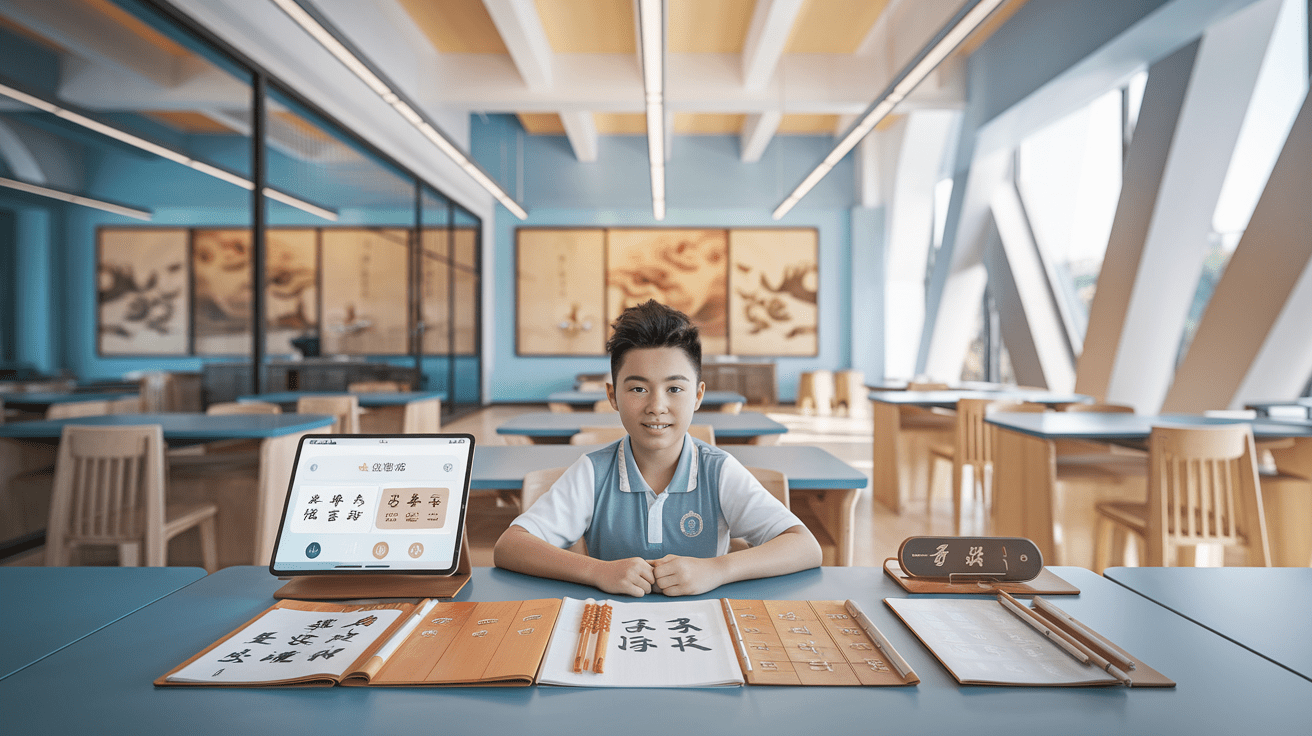
Table Of Contents
- Cognitive Benefits of Early Bilingualism
- Enhanced Academic Performance
- Strengthening Cultural Identity and Connections
- Future Career Advantages
- Effective Approaches to Chinese Language Learning
- The Age Advantage: Why Starting Young Matters
- Overcoming Challenges in Chinese Language Acquisition
- Conclusion: Investing in Your Child’s Future
In Singapore’s multicultural landscape, bilingualism isn’t just an educational policy—it’s a powerful advantage that shapes a child’s future opportunities. For parents navigating the educational choices for their children, understanding the profound benefits of early Chinese language enrichment can be transformative. Beyond simply learning vocabulary and characters, early exposure to Mandarin Chinese creates neural pathways that enhance cognitive development, cultural understanding, and future career prospects.
While English remains the primary language of instruction in Singapore, proficiency in Mandarin opens doors to a world of possibilities in both personal development and professional growth. The benefits extend far beyond examination scores, creating advantages that last a lifetime. This article explores the multifaceted benefits of early Chinese enrichment and why investing in your child’s bilingual journey today pays dividends far into the future.
Cognitive Benefits of Early Bilingualism
Research consistently demonstrates that children who develop bilingual proficiency from an early age experience significant cognitive advantages. When young minds navigate between two language systems, they develop enhanced executive functioning skills—the mental processes that help us plan, focus attention, remember instructions, and juggle multiple tasks successfully.
Studies from the National University of Singapore and international research centers have shown that bilingual children often demonstrate superior performance in several key cognitive areas:
- Enhanced attention control: Bilingual children become adept at focusing on relevant information while filtering out distractions, a skill that transfers to academic and real-world settings.
- Improved problem-solving abilities: Navigating two language systems enhances mental flexibility and creative thinking approaches to challenges.
- Greater cognitive reserve: Bilingualism creates additional neural connections that may help protect against cognitive decline in later life.
- Advanced metalinguistic awareness: Bilingual children develop a deeper understanding of how language works as a system, which supports literacy development in both languages.
These cognitive benefits develop naturally through language acquisition and use, without requiring specific training beyond language learning itself. In Singapore’s competitive educational environment, these cognitive advantages provide children with valuable tools for academic success across all subjects, not just language classes.
Enhanced Academic Performance
Strong proficiency in Chinese directly impacts academic outcomes for students in Singapore’s educational system. With Chinese language examinations forming a significant component of overall academic assessment, students with strong foundation in Mandarin often experience less stress and better performance during critical examination periods.
The Ministry of Education has consistently emphasized the importance of bilingualism, with Chinese language proficiency affecting placement options and educational pathways. Beyond language grades themselves, the cognitive benefits of bilingualism transfer to other academic areas:
Math and Science Achievement
Research indicates that bilingual students often demonstrate stronger mathematical reasoning skills. The precision and logical structure required in learning Chinese characters appears to reinforce mathematical thinking patterns. Additionally, the mental flexibility developed through bilingualism helps students approach complex scientific concepts from multiple perspectives.
Reading and Comprehension Skills
Early exposure to Chinese characters enhances visual discrimination abilities and pattern recognition—skills that transfer to reading proficiency in both Chinese and English. Students who develop strong bilingual literacy often demonstrate superior reading comprehension across languages, recognizing nuances in texts that might elude monolingual peers.
Confidence in Learning
Perhaps one of the most valuable academic benefits is the confidence that comes from mastering two languages. Students who feel capable in navigating between English and Chinese develop a growth mindset that serves them well when facing new academic challenges. This confidence extends beyond language classes, creating a positive approach to learning across the curriculum.
At EduFirst Learning Centre, our experienced Chinese language teachers have observed this academic confidence firsthand. Students who develop strong foundations in Chinese through our small-group enrichment classes (limited to 4-8 students) show remarkable improvement not just in Chinese language assessments, but often across their entire academic portfolio.
Strengthening Cultural Identity and Connections
Language and culture are inextricably linked. For children of Chinese heritage growing up in Singapore’s predominantly English-speaking environment, developing proficiency in Mandarin provides a vital connection to cultural roots and family traditions. Even for non-Chinese Singaporeans, understanding the language opens doors to deeper cultural appreciation and connection with a significant portion of Singapore’s multicultural identity.
Early Chinese enrichment helps children:
- Communicate meaningfully with grandparents and extended family members who may primarily speak Chinese
- Understand cultural references, idioms, and values embedded in the language
- Access Chinese literature, films, music, and art in their original form
- Develop pride in their multicultural identity and heritage
These cultural connections foster a sense of belonging and identity that becomes increasingly valuable as children mature. In our increasingly globalized world, cultural fluency has become as important as linguistic fluency, providing students with the tools to navigate diverse social and professional environments with confidence.
Future Career Advantages
Singapore’s strategic position as a bridge between East and West makes Chinese language proficiency a significant career advantage. As China continues its economic growth and global influence, professionals who can navigate both English and Chinese business environments find themselves uniquely positioned for success.
The career advantages of Chinese-English bilingualism include:
Expanded Job Opportunities
Many multinational corporations and local Singaporean companies seek employees who can communicate effectively with Chinese partners, clients, and colleagues. From finance to technology, healthcare to hospitality, bilingual professionals often command higher salaries and find more diverse career opportunities available to them.
Enhanced Global Mobility
Professionals proficient in both English and Chinese can easily work across markets in North America, Europe, Australia, and throughout Asia. This global mobility creates career resilience and opens doors to international experiences that enrich both professional development and personal growth.
Competitive Edge in Specialized Fields
In fields like international law, diplomatic services, translation, interpretation, and international education, Chinese-English bilingualism isn’t just an advantage—it’s often a requirement. Students who develop strong foundations early have significantly more career options when they enter the workforce.
By investing in Chinese enrichment during a child’s formative years, parents are providing their children with a valuable professional asset that will serve them throughout their careers in Singapore’s globally connected economy.
Effective Approaches to Chinese Language Learning
Not all Chinese enrichment programs are created equal. The most effective approaches recognize that language acquisition is a natural, developmental process that requires the right environment, teaching methods, and support systems.
At EduFirst Learning Centre, our approach to Chinese language enrichment incorporates several research-backed principles:
Personalized Learning Pathways
Children come to Chinese learning with different exposure levels, learning styles, and strengths. Our small class sizes (4-8 students) allow our teachers to understand each child’s unique learning profile and adapt teaching methods accordingly. This personalized approach ensures that every child progresses at the optimal pace for their development.
Immersive Language Environment
Language acquisition happens most naturally in immersive environments where children associate the language with meaningful, enjoyable experiences. Our enrichment programs create Chinese language environments that engage children through storytelling, games, music, and cultural activities—making learning both effective and enjoyable.
Building Confidence Through Achievement
We structure our programs to provide students with regular opportunities to experience success in their Chinese language learning. These positive experiences build confidence, which in turn motivates further learning and practice. This positive cycle is especially important for students who may find Chinese challenging initially.
Parents play a crucial role in supporting their child’s Chinese language development, even in homes where Chinese isn’t regularly spoken. Regular attendance at quality enrichment programs, encouraging Chinese media consumption, and demonstrating a positive attitude toward the language all contribute significantly to a child’s progress.
The Age Advantage: Why Starting Young Matters
Research in developmental linguistics consistently shows that younger children have certain advantages when it comes to language acquisition. The neuroplasticity of developing brains allows young children to absorb language patterns, pronunciation, and grammatical structures more naturally than older learners.
The advantages of early Chinese language exposure include:
- Native-like pronunciation: Young children can distinguish and reproduce the tonal qualities of Mandarin more easily than those who begin learning later.
- Natural grammar acquisition: Rather than learning rules explicitly, young children internalize grammatical patterns through exposure and use.
- Less inhibition: Young children typically have fewer social barriers to attempting new sounds and making mistakes—essential elements of successful language learning.
- More cumulative learning time: Simply put, starting earlier provides more years of language development before critical academic and career junctures.
While it’s never too late to begin learning Chinese, the evidence clearly suggests that starting in the preschool or early primary years provides significant advantages. Children who begin Chinese enrichment early often develop more natural fluency and confidence in the language, making subsequent formal study in school significantly easier.
Overcoming Challenges in Chinese Language Acquisition
Many parents, especially those from predominantly English-speaking households, express concerns about the challenges of Chinese language learning. Common challenges include:
Character Recognition and Writing
The Chinese writing system, with its thousands of characters, can initially seem daunting. However, with structured learning approaches that introduce characters systematically and reinforce recognition through multiple contexts, children develop effective strategies for character acquisition. Digital tools have also made character learning more accessible and engaging for today’s tech-savvy students.
Tonal Pronunciation
Mandarin’s four tones (five including neutral tone) present a challenge for many learners. Early exposure is particularly valuable here, as young children absorb tonal distinctions more naturally. Regular practice with native-speaking teachers helps students develop the ear and vocal skills necessary for proper pronunciation.
Maintaining Motivation
Like any significant skill, Chinese proficiency requires sustained effort over time. The key to maintaining motivation is making the learning journey enjoyable and connecting it to a child’s interests and goals. When children experience regular success and see the practical applications of their growing skills, motivation naturally increases.
At EduFirst Learning Centre, our teachers are experienced in addressing these common challenges through our engaging, well-structured curriculum. We recognize that each child faces unique challenges in their language learning journey and provide the individualized support necessary for overcoming obstacles and building confidence.
Conclusion: Investing in Your Child’s Future
The bilingual advantage offered by early Chinese enrichment represents one of the most valuable educational investments parents in Singapore can make. The benefits—cognitive development, academic achievement, cultural connection, and career advantage—create a foundation for success that extends far beyond language proficiency itself.
In Singapore’s educational landscape, where both English and Chinese proficiency significantly impact academic and career trajectories, providing children with strong foundations in both languages gives them the freedom to pursue their dreams without linguistic limitations.
While the journey to Chinese proficiency requires commitment from both parents and children, the lifelong advantages make it one of the most worthwhile educational investments available. By choosing quality enrichment programs with experienced teachers, personalized attention, and engaging learning environments, parents can ensure their children develop the Chinese language skills they need to thrive in Singapore’s multicultural society and the global economy.
The evidence is clear: early Chinese enrichment creates advantages that last a lifetime. From enhanced cognitive abilities and academic performance to stronger cultural connections and expanded career opportunities, bilingual proficiency in English and Chinese positions Singapore’s children for success in an increasingly interconnected world.
At EduFirst Learning Centre, we’re committed to making this journey accessible, enjoyable, and effective for every child. Our experienced teachers, small class sizes, and engaging curriculum create the ideal environment for children to develop Chinese language proficiency that will serve them throughout their lives.
Want to give your child the bilingual advantage? Contact EduFirst Learning Centre today to learn more about our Chinese enrichment programs and how we can support your child’s language learning journey. With locations across 25 centres islandwide, quality Chinese enrichment is always close to home.