- Feb 16, 2026
AEIS Chinese Paper Survival Guide for International Students
Table Of Contents
- Understanding the AEIS Chinese Paper
- Common Challenges for International Students
- Essential Preparation Strategies
- Mastering Hanyu Pinyin Effectively
- Building Chinese Vocabulary Systematically
- Conquering Reading Comprehension
- Excelling in Chinese Composition Writing
- Last-Minute Preparation Tips
- Post-Exam: Next Steps in Your Chinese Learning Journey
Facing the AEIS Chinese paper as an international student can feel like navigating uncharted territory. The unique characters, tonal pronunciations, and unfamiliar grammar patterns often present significant hurdles for non-native speakers. At EduFirst Learning Centre, we understand these challenges intimately through our years of guiding international students to success in Singapore’s educational system.
The Admissions Exercise for International Students (AEIS) serves as a crucial gateway for international students hoping to enter Singapore’s mainstream schools. The Chinese paper, in particular, requires special attention and preparation strategies tailored to the needs of non-native speakers. This comprehensive guide will walk you through understanding the exam structure, overcoming common challenges, and implementing effective study techniques to maximize your chances of success.
Whether you’re starting from zero Chinese knowledge or looking to refine your existing skills, our survival guide provides actionable insights that align with how the AEIS Chinese paper is evaluated. Let’s embark on this learning journey together, breaking down each component into manageable steps that build confidence and competence.
Understanding the AEIS Chinese Paper
Before diving into preparation strategies, it’s essential to understand exactly what you’re facing with the AEIS Chinese examination. The AEIS Chinese paper evaluates students’ proficiency in reading, writing, and comprehension skills in Mandarin Chinese, with difficulty levels varying according to the entry grade level.
For primary school entry (P2-P5), the exam focuses on basic character recognition, simple sentence construction, and elementary comprehension. Secondary school entry exams (S1-S3) involve more complex reading passages, composition writing, and a broader vocabulary requirement. Understanding these differences allows you to tailor your preparation appropriately.
The Chinese paper typically consists of several sections:
- Hanyu Pinyin (Chinese phonetic system)
- Character recognition and writing
- Vocabulary and grammar usage
- Reading comprehension
- Composition writing (for higher levels)
Each section carries different weightage, with reading comprehension and composition writing generally carrying more marks at higher levels. At EduFirst Learning Centre, our experienced educators analyze past year papers to identify patterns in question types and marking schemes, allowing us to provide targeted guidance for each section.
Common Challenges for International Students
International students preparing for the AEIS Chinese paper face several unique challenges that differ from those encountered by native speakers. Recognizing these hurdles is the first step toward overcoming them effectively.
The tonal nature of Mandarin presents perhaps the biggest initial obstacle. Unlike many languages, Mandarin uses four distinct tones that can completely change a word’s meaning. For example, the syllable “ma” can mean “mother,” “hemp,” “horse,” or “scold” depending on the tone used. This tonal complexity requires dedicated listening and speaking practice to master.
Character memorization presents another significant challenge. Unlike alphabetic writing systems, Chinese requires memorizing thousands of distinct characters with no inherent phonetic clues (although character components can provide some hints). International students must develop effective memorization techniques that go beyond rote learning.
Grammar structure differences also create confusion. Chinese lacks verb conjugations, plurals, and tenses in the way many other languages use them, instead relying on word order and context. Many international students struggle with the conceptual shift required to think in this different grammatical framework.
Cultural context presents a final significant hurdle. Many Chinese texts reference cultural concepts, historical events, or traditional values that may be unfamiliar to international students. This cultural knowledge gap can impact comprehension even when vocabulary is understood.
Essential Preparation Strategies
Successful preparation for the AEIS Chinese paper requires a strategic approach that addresses each component of the exam while building fundamental language skills. Based on our experience at EduFirst, we recommend these core preparation strategies:
Begin with a clear assessment of your current Chinese level. This honest evaluation helps identify specific areas needing improvement rather than studying broadly without direction. Our diagnostic assessments at EduFirst help pinpoint exactly which skills need the most attention.
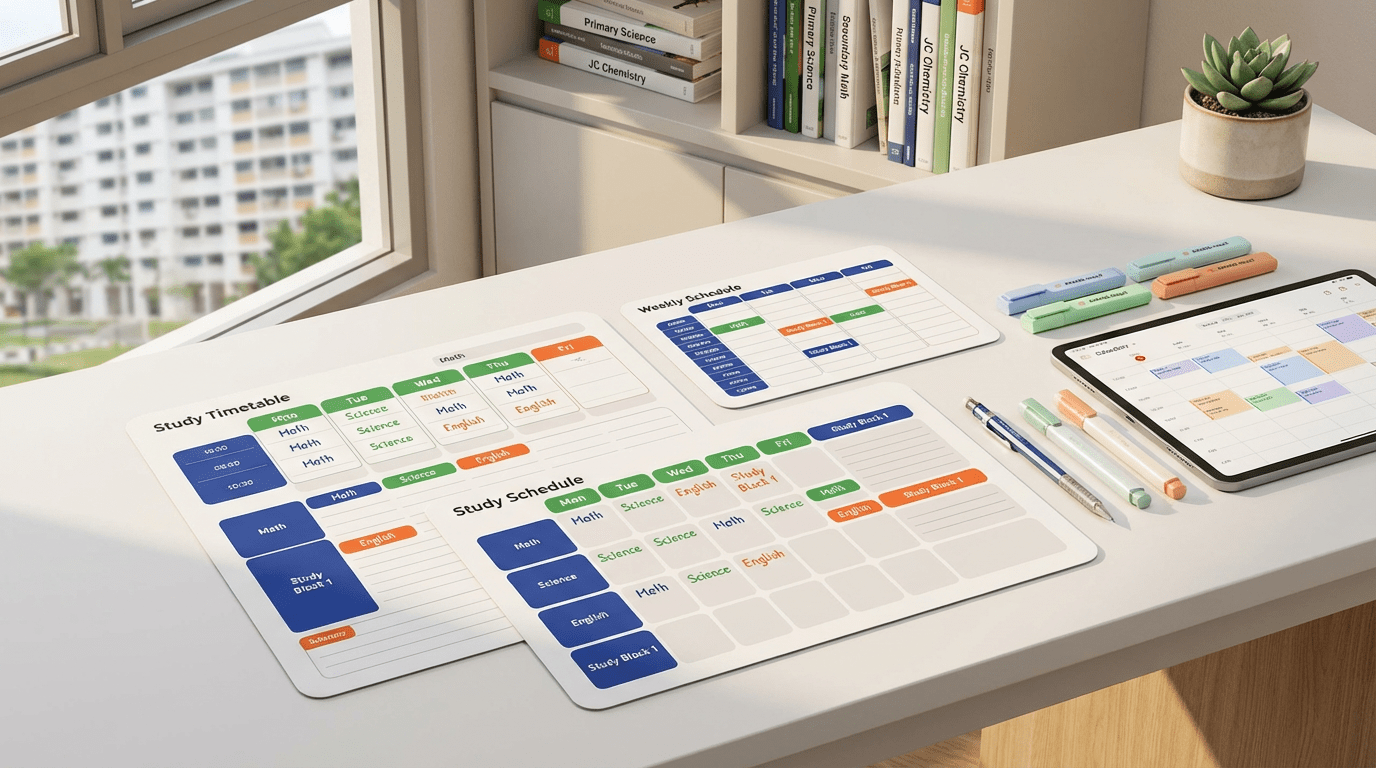
Develop a structured study schedule that balances all aspects of Chinese learning. We recommend dedicating daily time blocks to character learning, reading practice, listening exercises, and writing practice. Consistency matters more than marathon study sessions—even 30 minutes daily yields better results than occasional three-hour sessions.
Utilize spaced repetition techniques for vocabulary retention. Research shows that reviewing information at increasing intervals dramatically improves long-term retention. Digital flashcard apps like Anki or Pleco can automate this process for Chinese character learning.
Immerse yourself in Chinese whenever possible. Change your phone language settings to Chinese, watch Chinese cartoons or shows with subtitles, or listen to Chinese songs. This passive exposure complements active study by training your brain to recognize patterns naturally.
Join a specialized AEIS preparation course, such as those offered by EduFirst Learning Centre. Our small class sizes of 4-8 students ensure personalized attention that addresses your specific challenges while providing the structure and expertise needed for efficient preparation.
Mastering Hanyu Pinyin Effectively
Hanyu Pinyin serves as the foundation for Chinese pronunciation and is often the first component international students encounter. Mastering this phonetic system opens the door to proper pronunciation and listening comprehension—critical skills for the AEIS exam.
Start by thoroughly learning the sounds of each pinyin initial and final. Pay special attention to sounds that don’t exist in your native language. For example, many English speakers struggle with distinguishing between “x” and “sh” or “q” and “ch” in pinyin. Creating association techniques (such as physical mouth positions) can help cement these distinctions.
Tone practice deserves dedicated attention. Begin by practicing individual tones, then progress to tone pairs, and finally full sentences. Record yourself and compare with native pronunciations. Many students find visual aids helpful—drawing tone marks in the air while speaking or using colored highlighters to mark different tones.
Develop awareness of tone changes (tone sandhi) in natural speech. The most common example is that when two third tones appear together, the first changes to a second tone. Understanding these modifications helps both with speaking naturally and comprehending spoken Chinese.
Practice dictation exercises regularly. Have someone read pinyin words or sentences while you write them down, focusing on correctly identifying tones and sounds. This exercise bridges listening and writing skills while reinforcing pinyin knowledge.
Pinyin Shortcuts for Quick Mastery
Create mnemonic devices for challenging pinyin sounds. For example, the pinyin “ü” sound can be remembered as making an “ee” sound while rounding your lips as if saying “oo”. These physical cues help train your mouth to form unfamiliar shapes.
Group similar-sounding pinyin elements together in your study materials. Learning “b, p, m, f” together helps highlight their differences and similarities, making differentiation easier. Similarly, study challenging vowel sounds like “i, ü, e” in comparison with each other.
Building Chinese Vocabulary Systematically
Vocabulary acquisition forms the backbone of AEIS Chinese preparation. Without sufficient vocabulary, both reading comprehension and composition writing become nearly impossible. Our approach at EduFirst focuses on systematic, strategic vocabulary building rather than memorizing random word lists.
Begin with high-frequency characters and words. Research shows that knowing just 1,000 of the most common characters allows you to understand approximately 90% of everyday Chinese texts. Focus first on the characters that appear most frequently in AEIS exam materials.
Learn characters in meaningful context rather than isolation. Instead of memorizing individual characters, learn them within common words and phrases. For example, rather than learning the character “电” (diàn – electricity) alone, learn it within common compounds like “电话” (diànhuà – telephone) and “电脑” (diànnǎo – computer).
Understand character components and radicals. Most Chinese characters are composed of smaller parts that may offer clues to meaning or pronunciation. For instance, characters containing the “氵” radical often relate to water or liquids. Recognizing these patterns reduces the memorization burden and aids in guessing unfamiliar characters.
Create personal connections to enhance memorization. Associate new vocabulary with personal experiences, vivid mental images, or stories. The stronger the emotional or visual connection, the more likely you’ll remember the character long-term.
Essential Vocabulary Categories for AEIS
Focus your vocabulary acquisition on categories commonly tested in AEIS exams. These typically include:
- Family members and relationships
- School life and educational terms
- Daily activities and routines
- Emotions and personal characteristics
- Nature and environment
- Food and dining vocabulary
- Time expressions and numbers
At EduFirst, our curriculum materials organize vocabulary into these thematic categories, allowing students to build semantic networks that enhance both retention and usage fluidity. Our small class settings provide ample opportunity to practice using new vocabulary in conversational contexts.
Conquering Reading Comprehension
Reading comprehension often carries significant weight in the AEIS Chinese paper, making it a critical focus area. International students frequently find this section challenging due to unfamiliar vocabulary, complex sentence structures, and cultural references.
Begin by practicing with texts slightly above your current reading level. This “i+1” approach (where “i” is your current level) challenges you without causing overwhelming frustration. Gradually increase difficulty as your skills improve.
Develop active reading strategies specifically for Chinese texts. Before reading in detail, scan the text to identify familiar characters and get a general sense of the topic. Pay attention to paragraph structures and transitional phrases that signal relationships between ideas.
Learn to identify question types in reading comprehension sections. AEIS typically includes factual questions (asking about explicit information), inferential questions (requiring reading between the lines), vocabulary questions (testing understanding of specific terms), and main idea questions (assessing overall comprehension).
Practice answering questions without looking back at the text first, then verify your answers. This builds the crucial skill of retaining information while reading, rather than just recognizing it when prompted. At EduFirst, our reading comprehension exercises incorporate this technique to build working memory for Chinese text.
Effective Reading Techniques for Non-Native Speakers
Use context clues to decipher unfamiliar characters. Train yourself to look for hints from surrounding words, sentence structure, and passage context. This skill proves invaluable during the exam when encountering unexpected vocabulary.
Practice skimming and scanning techniques specifically for Chinese text. Unlike alphabetic languages where you might scan for keywords, in Chinese, train yourself to recognize character shapes and components quickly. This visual recognition skill develops with deliberate practice.
Read aloud regularly to connect the written characters with their pronunciation. This multi-sensory approach strengthens neural connections between character recognition and meaning, enhancing overall comprehension.
Excelling in Chinese Composition Writing
The composition section often determines success for higher-level AEIS Chinese papers. This component evaluates not just vocabulary and grammar knowledge, but also organization, creativity, and cultural understanding.
Learn and memorize useful sentence patterns and transitional phrases. Having these structures readily available makes composition writing more fluid and elevates your writing style. Create a personal collection of sentence templates organized by function (describing, comparing, expressing opinions, etc.).
Study model compositions to understand expected structure and style. Analyze how introductions, body paragraphs, and conclusions are typically organized in Chinese compositions. Pay attention to how ideas flow and connect within successful examples.
Practice with timed writing exercises to build efficiency. Begin with shorter compositions and gradually increase length as you become more comfortable. This builds the stamina and time management skills needed for the exam environment.
Develop a “bank” of appropriate examples and stories that can be adapted to different composition topics. Having prepared illustrations for common themes like friendship, perseverance, or environmental protection provides ready material to incorporate into your writing.
Simple Composition Framework for International Students
We recommend this straightforward structure for AEIS compositions:
- Introduction: Briefly introduce the topic and provide a simple thesis or main point (2-3 sentences)
- Body Paragraph 1: Present your first main idea with supporting details or examples
- Body Paragraph 2: Present your second main idea with different supporting evidence
- Body Paragraph 3: Present your third main idea (if length permits) or address a counterargument
- Conclusion: Summarize main points and restate thesis in different words
At EduFirst Learning Centre, our Chinese language specialists provide personalized feedback on composition practice, identifying patterns in your writing that need improvement while highlighting your strengths. This individualized guidance helps refine your writing style efficiently.
Last-Minute Preparation Tips
As the AEIS examination approaches, strategic last-minute preparation can help consolidate your knowledge and boost confidence. These final preparation tips focus on optimization rather than attempting to learn substantial new material.
Review high-frequency characters and vocabulary one final time. Focus particularly on commonly confused characters and words that have given you trouble during practice sessions. Create quick-reference sheets of these challenging items for efficient review.
Practice time management with full-length mock tests. Simulate exam conditions as closely as possible, including timing, no dictionary use, and completing all sections in sequence. This builds stamina and reduces exam anxiety through familiarity.
Get sufficient rest the night before the exam. Cognitive research consistently shows that sleep quality significantly impacts recall and performance. Prioritize a full night’s sleep over last-minute cramming for optimal brain function during the exam.
Prepare all required materials the day before. Ensure you have appropriate identification, admission documents, writing instruments, and any other required materials ready to prevent morning stress. Check transportation routes and timing to avoid rushing or arriving late.
Maintain a positive mindset through positive self-talk and visualization. Imagine yourself successfully completing each section of the exam with confidence. At EduFirst, we incorporate confidence-building exercises into our final preparation sessions to help students manage exam anxiety effectively.
Post-Exam: Next Steps in Your Chinese Learning Journey
The AEIS Chinese paper represents just one milestone in your Chinese learning journey. Regardless of the exam outcome, continued language development benefits your educational and career prospects in Singapore’s bilingual environment.
After the exam, take time to reflect on your preparation process. Identify which strategies worked well and which areas presented the greatest challenges. This self-assessment provides valuable insights for future language learning.
Continue Chinese language study while awaiting results. Maintaining momentum prevents backsliding and builds on the foundation you’ve established. Consider shifting focus to conversational Chinese or reading materials that align with your personal interests.
Prepare for potential outcomes. Research additional support options if you need to retake the exam. If successful, investigate how to build on your current Chinese proficiency in mainstream schooling. EduFirst Learning Centre offers continuing Chinese language support for international students at all stages of their educational journey.
Consider how Chinese language skills fit into your broader educational goals. In Singapore’s education system, Chinese proficiency opens doors to special programs, scholarship opportunities, and enhanced career prospects in the future.
Preparing for the AEIS Chinese paper as an international student undoubtedly presents challenges, but with structured preparation and the right strategies, you can approach the exam with confidence. Remember that language acquisition is a journey rather than a destination—each study session builds skills that extend far beyond the examination room.
At EduFirst Learning Centre, we’ve witnessed countless international students transform their Chinese language abilities through dedicated practice and personalized guidance. Our small class sizes ensure that each student receives the individualized attention needed to address specific challenges while building on existing strengths.
Whether you’re starting with minimal Chinese knowledge or looking to refine advanced skills, the systematic approach outlined in this guide provides a roadmap for effective preparation. By focusing on pinyin mastery, strategic vocabulary acquisition, reading comprehension techniques, and composition skills, you’ll develop the comprehensive language abilities needed not just for AEIS success, but for thriving in Singapore’s educational environment.
Remember that persistence matters more than perfection. Celebrate small victories in your learning journey, maintain consistent practice, and don’t hesitate to seek guidance when needed. Your effort today builds the foundation for academic success tomorrow.
Ready to take your AEIS Chinese preparation to the next level? EduFirst Learning Centre offers specialized AEIS preparation programs designed specifically for international students. Our experienced educators provide personalized guidance in small class settings to address your unique learning needs.
Contact us today to schedule an assessment and learn more about how our targeted approach can help you excel in the AEIS Chinese paper and beyond.