- Aug 10, 2025
Top 10 Focus Techniques to Help Your Child Excel in PSLE Preparation
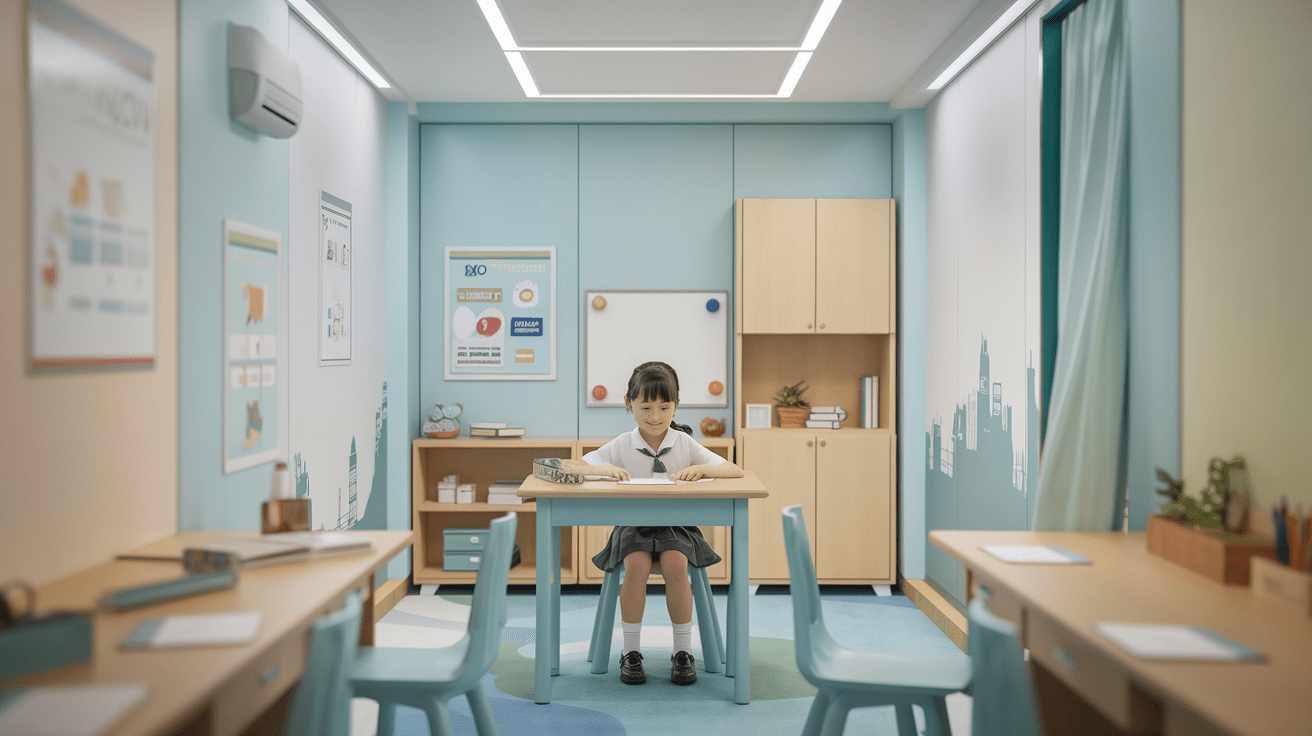
Table Of Contents
- Understanding Focus Challenges During PSLE Preparation
- Technique 1: The Pomodoro Method Adapted for PSLE Students
- Technique 2: Creating an Optimal Study Environment
- Technique 3: Strategic Break Techniques
- Technique 4: Mindfulness and Focused Attention Training
- Technique 5: Nutrition and Hydration for Optimal Brain Function
- Technique 6: Exercise Routines to Boost Concentration
- Technique 7: Sleep Optimization Strategies
- Technique 8: Goal Setting and Rewards System
- Technique 9: Managing Digital Distractions
- Technique 10: Visualization and Mental Rehearsal
- How Parents Can Support Focus Development
- Conclusion: Building Sustainable Focus Habits
The Primary School Leaving Examination (PSLE) represents a significant milestone in your child’s educational journey in Singapore. As this crucial examination approaches, many parents notice their children struggling with concentration and focus during preparation. The ability to maintain deep focus is not just helpful—it’s essential for effective learning and exam success.
At EduFirst Learning Centre, we’ve guided thousands of primary school students through their PSLE preparation since 2010. Our experienced educators have observed that students with strong focus abilities consistently perform better, regardless of their natural academic aptitude. The good news is that focus is a skill that can be developed with the right techniques and consistent practice.
This comprehensive guide provides ten research-backed focus techniques specifically adapted for PSLE students. These strategies have been refined through our work with primary school students across our 25 Singapore locations, where our small class sizes of 4-8 students allow us to observe which concentration methods yield the best results.
Whether your child struggles with distractions, mental fatigue, or exam anxiety affecting their concentration, these techniques will help them develop stronger focus muscles to maximize their PSLE preparation effectiveness.
Understanding Focus Challenges During PSLE Preparation
Before implementing focus techniques, it’s important to understand why PSLE preparation presents unique concentration challenges for primary school students:
The PSLE represents the first major examination many students face, introducing performance pressure that can fragment attention. The comprehensive syllabus requires sustained focus across multiple subjects over extended preparation periods. Digital distractions compete more aggressively for students’ attention than ever before. Developmental factors mean P6 students are still developing their executive function skills, including attention regulation.
Our teaching experience at EduFirst Learning Centre shows that addressing these challenges requires a multi-faceted approach that considers both physiological and psychological aspects of focus. The following techniques are designed to work together as a comprehensive system rather than isolated strategies.
Technique 1: The Pomodoro Method Adapted for PSLE Students
The Pomodoro Technique is a time management method that uses timed intervals of focused work followed by short breaks. We’ve adapted this specifically for primary school students preparing for PSLE:
Implementation for PSLE students:
Start with 25-minute focused study sessions (one Pomodoro) followed by a 5-minute break. For younger or more easily distracted students, begin with 15-20 minute sessions and gradually build up. Use a visible timer so your child can see the time remaining (this creates a sense of manageable chunks). After completing four Pomodoros, take a longer 15-30 minute break.
Why it works:
This technique aligns with primary students’ natural attention spans, which typically range from 10-30 minutes depending on age and individual differences. The visible countdown creates urgency that helps maintain focus, while the promised breaks provide motivation to stay on task. Our students report that breaking study sessions into these manageable intervals makes PSLE preparation feel less overwhelming.
When implementing this technique with your child, start on weekends when there’s less time pressure, then gradually incorporate it into weekday study routines. The structure it provides helps develop sustainable focus habits that will benefit them throughout their academic journey.
Technique 2: Creating an Optimal Study Environment
The physical environment significantly impacts a child’s ability to focus. Our tutors at EduFirst have identified key environmental factors that optimize concentration for PSLE students:
Lighting considerations:
Natural lighting is ideal for reducing eye strain and maintaining alertness. Position your child’s study area near a window when possible, but avoid direct sunlight that causes glare on screens or books. If using artificial lighting, choose bulbs in the 3000-5000K range (warm white to daylight) and ensure the light source comes from the opposite side of your child’s writing hand to prevent shadows.
Noise management:
While some students work best in complete silence, others actually focus better with consistent background noise. If your home environment is noisy, consider using white noise, nature sounds, or instrumental music (around 60-70 BPM) to mask distracting sounds. Noise-cancelling headphones can be helpful for particularly sensitive students.
Organizational elements:
Maintain an organized desk with only the materials needed for the current study session visible. Create dedicated storage solutions for different subjects to minimize transition time between topics. A visual schedule posted near the study area helps maintain focus on daily goals.
At EduFirst, we’ve designed our learning environments based on these principles, and parents frequently report that replicating similar conditions at home improves their child’s focus during self-study sessions.
Technique 3: Strategic Break Techniques
The quality of breaks between study sessions is as important as the study time itself. Strategic breaks recharge mental energy rather than depleting it further.
Physical movement breaks:
Brief physical activity increases blood flow to the brain and releases focus-enhancing neurochemicals. Encourage your child to do 5 minutes of jumping jacks, stretching, or a quick dance between study sessions. Even simply walking up and down the stairs can reset mental fatigue.
Nature exposure:
Research shows that even brief exposure to natural settings can restore attention. A 5-minute break looking at plants, sky, or trees from a window or balcony can significantly refresh focus capabilities. If possible, keep a small plant near the study area.
Hydration and snack breaks:
Use breaks to ensure your child stays hydrated and maintains stable blood sugar levels. Keep a water bottle at the study area and prepare healthy snacks like nuts, fruit, or yogurt that provide sustained energy without sugar crashes.
What to avoid during breaks:
Screen time (social media, YouTube, games) tends to extend beyond the allotted break time and makes returning to studies more difficult. Highly stimulating activities can make study material seem boring by comparison. Breaks that involve complex decisions or new information tax the same cognitive resources needed for studying.
Our experience working with PSLE students shows that proper break management can increase effective study time by up to 30% compared to students who take unstructured or screen-based breaks.
Technique 4: Mindfulness and Focused Attention Training
Mindfulness practices strengthen the brain’s attention networks, making it easier for students to maintain focus during studying and examinations. These techniques are particularly valuable for PSLE preparation because they help students manage exam anxiety which often disrupts concentration.
Simple mindfulness exercises for PSLE students:
Begin with short 2-3 minute focused breathing sessions where your child counts their breaths from 1 to 10, then starts again. Practice the “5-4-3-2-1 technique” where they identify 5 things they can see, 4 things they can touch, 3 things they can hear, 2 things they can smell, and 1 thing they can taste—this grounds their attention in the present moment. Encourage “mindful transitions” between subjects by taking 30 seconds to close their eyes, take three deep breaths, and mentally prepare for the next topic.
Implementation strategy:
Start with very brief sessions (1-2 minutes) and gradually extend as your child becomes comfortable with the practice. Use consistency rather than duration—a daily 3-minute practice is more beneficial than occasional longer sessions. Frame these exercises as “brain training” rather than meditation to increase buy-in from children who might resist more spiritual-sounding terminology.
Students at EduFirst who practice these techniques regularly report feeling more in control during examinations and better able to recall information under pressure—crucial skills for PSLE success.
Technique 5: Nutrition and Hydration for Optimal Brain Function
The brain consumes approximately 20% of the body’s energy, making nutrition a critical factor in focus and cognitive performance. What your child eats before and during study sessions significantly impacts their ability to concentrate.
Brain-friendly foods for study sessions:
Emphasize complex carbohydrates (whole grains, brown rice) that provide steady glucose release for sustained mental energy. Include protein-rich foods (eggs, lean meat, tofu) that supply amino acids necessary for neurotransmitter production. Incorporate omega-3 fatty acids from sources like walnuts, flaxseeds, or fish, which support brain cell membrane health.
Hydration strategy:
Even mild dehydration reduces concentration and cognitive performance. Ensure your child drinks water before beginning study sessions. Keep a water bottle with measurement markings to track intake throughout the day—aim for at least 1-1.5 liters during school hours and study time. For children who resist plain water, add slices of fruit for natural flavoring.
Pre-study nutrition timing:
Schedule main meals 30-45 minutes before intensive study sessions to allow for initial digestion while avoiding the immediate post-meal energy dip. For afternoon study sessions after school, provide a balanced snack combining complex carbohydrates and protein, such as apple slices with nut butter or yogurt with granola.
At EduFirst Learning Centre, we educate both parents and students about the connection between nutrition and cognitive performance, as this is one of the most overlooked factors in PSLE preparation.
Technique 6: Exercise Routines to Boost Concentration
Regular physical activity has been consistently shown to improve concentration, memory, and cognitive function. For PSLE students, strategic exercise can significantly enhance focus during preparation periods.
Optimal exercise timing:
Morning exercise (20-30 minutes before school) primes the brain for learning throughout the day by increasing alertness and attention. Brief movement sessions (5-10 minutes) immediately before challenging study topics can activate the brain areas needed for complex learning. A moderate-intensity activity break between subjects can reset mental fatigue and prepare the brain for new information.
Beneficial exercise types for cognitive enhancement:
Aerobic activities like running, swimming, or cycling increase blood flow to the brain and promote the growth of new neurons. Coordination exercises such as badminton, table tennis, or basketball strengthen neural connections through complex movement patterns. Mind-body exercises like children’s yoga or simple tai chi movements improve focus through the mind-body connection.
Implementation for busy PSLE schedules:
When time is limited during PSLE preparation, even short movement sessions are beneficial. Incorporate “movement snacks”—brief 3-5 minute exercise bursts throughout the day. Use weekend activities for longer exercise sessions to build baseline fitness that supports cognitive function throughout the week. Consider active commuting (walking part of the way to school) as a time-efficient way to incorporate exercise.
We regularly remind parents at EduFirst that time spent on appropriate physical activity is not time taken away from studies—it’s an investment that improves the quality and efficiency of study time.
Technique 7: Sleep Optimization Strategies
Adequate sleep is non-negotiable for optimal focus and information processing. During PSLE preparation, many students sacrifice sleep for extra study time, but this approach backfires by reducing cognitive function and focus.
Sleep requirements for PSLE students:
Primary 6 students typically need 9-11 hours of sleep for optimal brain function. Quality of sleep is as important as quantity—uninterrupted sleep allows for complete sleep cycles that consolidate learning and refresh attention resources.
Pre-sleep routine for enhanced learning:
Establish a 30-minute wind-down routine before bedtime that signals to the brain that it’s time to transition to sleep. Include a brief review of the day’s most important concepts (5-10 minutes maximum) during this wind-down period, as information reviewed before sleep has a higher chance of consolidation in long-term memory. Minimize blue light exposure from screens at least 1 hour before bedtime, as it interferes with melatonin production.
Sleep environment optimization:
Maintain a cool room temperature (around 23-24°C) for optimal sleep quality. Ensure complete darkness or provide an eye mask if needed. Address noise issues with white noise machines or earplugs if the home or neighborhood environment is noisy.
Our tutors at EduFirst often work with parents to develop realistic schedules that prioritize sleep, especially during the critical weeks leading up to the PSLE. We’ve observed that well-rested students can accomplish more in less time compared to sleep-deprived peers who study longer hours.
Technique 8: Goal Setting and Rewards System
Clearly defined goals create focus pathways for the brain, while appropriate rewards reinforce focused behavior. This technique leverages motivation to enhance concentration during PSLE preparation.
Effective goal structuring for primary students:
Use a three-tier goal system: daily goals (specific tasks to complete), weekly goals (skills to develop), and monthly goals (broader achievement targets). Break complex subjects into specific, measurable sub-goals—instead of “study mathematics,” define “complete 15 problem-solving questions on fractions.” Create visual goal trackers where your child can see progress and completion, triggering motivation circuits in the brain.
Strategic reward systems:
Match reward size to task difficulty rather than time spent—this encourages efficient, focused work rather than procrastination. Use intermittent unpredictable rewards for sustained focus (occasional surprise rewards are more motivating than predictable ones). Include both immediate small rewards and delayed larger rewards to develop both short and long-term focus capabilities.
Effective reward types:
Activity rewards (time for favorite hobbies or games) often work better than material rewards. Social rewards (special time with parents or friends) build positive associations with focused study. Privilege rewards (choosing weekend activities or meal options) provide motivation without material cost.
At EduFirst, we help students develop their own goal-setting systems, as ownership of the process increases buy-in and effectiveness. When students participate in designing their reward systems, they typically develop more sustainable focus habits.
Technique 9: Managing Digital Distractions
Digital distractions represent one of the greatest challenges to sustained focus for today’s PSLE students. A strategic approach to technology management is essential for developing strong concentration skills.
Study environment technology controls:
Create a “focus zone” where mobile devices are placed in a designated container during study sessions. Use website blockers during study time if your child needs to use computers for research or online learning resources. Consider a two-device strategy—a primary device with full functionality for breaks and a restricted device with only educational apps and resources for study time.
Digital habit restructuring:
Disable non-essential notifications on all devices used by your child. Establish clear technology schedules that define when devices can be used for entertainment versus educational purposes. Create technology-free transition periods (15-30 minutes) before study sessions to allow the brain to shift into focus mode.
Healthy technology modeling:
Children learn digital habits primarily from observing adults. Demonstrate healthy technology boundaries by putting your own devices away during family study times. Create family-wide “focus hours” where all members engage in concentrated work or study without digital interruptions.
Our experience at EduFirst shows that students who implement structured technology management typically show focus improvements within 7-10 days as their brains adjust to reduced digital stimulation patterns.
Technique 10: Visualization and Mental Rehearsal
Visualization techniques leverage the brain’s inability to fully distinguish between vividly imagined experiences and real ones. For PSLE students, this can be used to enhance focus during both preparation and examination.
Focus visualization practice:
Guide your child to spend 3-5 minutes before study sessions visualizing themselves being completely absorbed in their work, maintaining concentration even when challenges arise. Have them imagine the specific environment where they’ll take their PSLE exams, visualizing themselves remaining calm and focused despite distractions or difficult questions.
Content visualization for memory enhancement:
Teach your child to create vivid mental images of concepts they’re learning—the more unusual or colorful, the better for memory retention. For abstract concepts, encourage them to visualize concrete metaphors or representations. When reviewing material, have them practice mentally retrieving information before checking notes, strengthening recall pathways.
Implementation approach:
Start with guided visualization where you provide verbal prompts, then transition to independent practice as the skill develops. Use simple visual cues (like a specific colored card) as a trigger for entering a focused mental state. Incorporate brief visualization practice (30-60 seconds) when transitioning between subjects.
At EduFirst Learning Centre, we incorporate visualization techniques into our exam preparation strategies, finding they’re particularly effective for students who experience test anxiety that disrupts their concentration.
How Parents Can Support Focus Development
Parents play a crucial role in helping children develop and maintain focus during PSLE preparation. Your approach and environment-setting significantly impact your child’s concentration abilities.
Creating psychological safety:
Maintain a balance between communicating the importance of the PSLE and avoiding excessive pressure that triggers anxiety (which impairs focus). Emphasize effort and process over results—praise focused study sessions rather than just good grades. Create an environment where your child feels comfortable discussing concentration difficulties without judgment.
Practical parental support:
Buffer your child from unnecessary family stressors during intensive study periods. Manage siblings’ noise and interruptions during designated focus times. Prepare brain-friendly meals and snacks that support cognitive function. Maintain family routines that provide structure and reduce decision fatigue.
Monitoring without hovering:
Find the right balance between checking progress and allowing autonomy. Too much oversight creates dependency and anxiety, while too little may allow ineffective study habits to develop. Schedule regular brief check-ins at natural break points rather than interrupting focus sessions. Use a communication notebook where your child can note questions that arise during study for discussion later.
At EduFirst, we partner with parents to create consistent approaches between our learning centre and home environments. This continuity helps students develop stronger focus habits through reinforcement across settings.
Conclusion: Building Sustainable Focus Habits
The techniques outlined in this guide represent a comprehensive approach to developing stronger focus abilities in PSLE students. While each strategy is valuable individually, their power multiplies when implemented as an integrated system.
Remember that focus is a skill that develops gradually through consistent practice. You may not see dramatic improvements overnight, but with persistent application of these techniques, most students show significant enhancement in concentration abilities within 3-4 weeks.
Begin by selecting 2-3 techniques that address your child’s specific focus challenges, then gradually incorporate others as these initial strategies become habitual. Track progress by noting the duration of focused study sessions and the quality of work produced rather than just time spent studying.
The focus techniques your child develops during PSLE preparation will serve them far beyond this single examination. These cognitive skills form the foundation for success in secondary school, tertiary education, and eventually, professional life. By helping your child master their attention now, you’re investing in their long-term academic and personal development.
At EduFirst Learning Centre, we’ve witnessed countless students transform their academic performance by enhancing their focus capabilities. With small class sizes of 4-8 students across our 25 locations islandwide, we provide the personalized attention needed to help each student develop these essential skills within their unique learning profile.
Need Personalized Support for Your Child’s PSLE Preparation?
EduFirst Learning Centre’s experienced tutors can help your child develop stronger focus techniques tailored to their specific learning style and challenges. Our small class sizes ensure individual attention and customized strategies.
Contact us today to learn how we can support your child’s PSLE journey with proven focus-building methods and comprehensive subject mastery.