- Jul 13, 2025
Top Strategies to Master PSLE Mock Papers for Exam Success
- Understanding PSLE Mock Papers: Their Purpose and Value
- Preparation Strategies: Before Tackling Mock Papers
- Effective Practice Techniques for Mock Papers
- Analysis and Improvement: Learning from Mock Results
- Time Management Strategies for PSLE Success
- Managing Exam Anxiety and Building Confidence
- Final Preparation: The Last Weeks Before PSLE
- Conclusion: Mastering PSLE Through Strategic Mock Practice
The Primary School Leaving Examination (PSLE) represents a significant milestone in every Singaporean student’s educational journey. As this crucial examination approaches, many parents and students turn to mock papers as a preparation strategy—but simply completing practice papers isn’t enough. How students approach, analyze, and learn from these practice examinations can make all the difference in their final performance.
Mock papers serve as invaluable tools for PSLE preparation when used strategically. They simulate actual examination conditions, familiarize students with question formats, and highlight knowledge gaps that require attention. However, maximizing their effectiveness requires thoughtful preparation, systematic practice, and careful analysis.
In this comprehensive guide, we’ll explore proven strategies to help your child master PSLE mock papers, build confidence, and develop the skills needed to excel in their examinations. From preparation techniques to post-assessment analysis, time management to anxiety control—these approaches have helped countless students at EduFirst Learning Centre achieve their academic potential.
Understanding PSLE Mock Papers: Their Purpose and Value
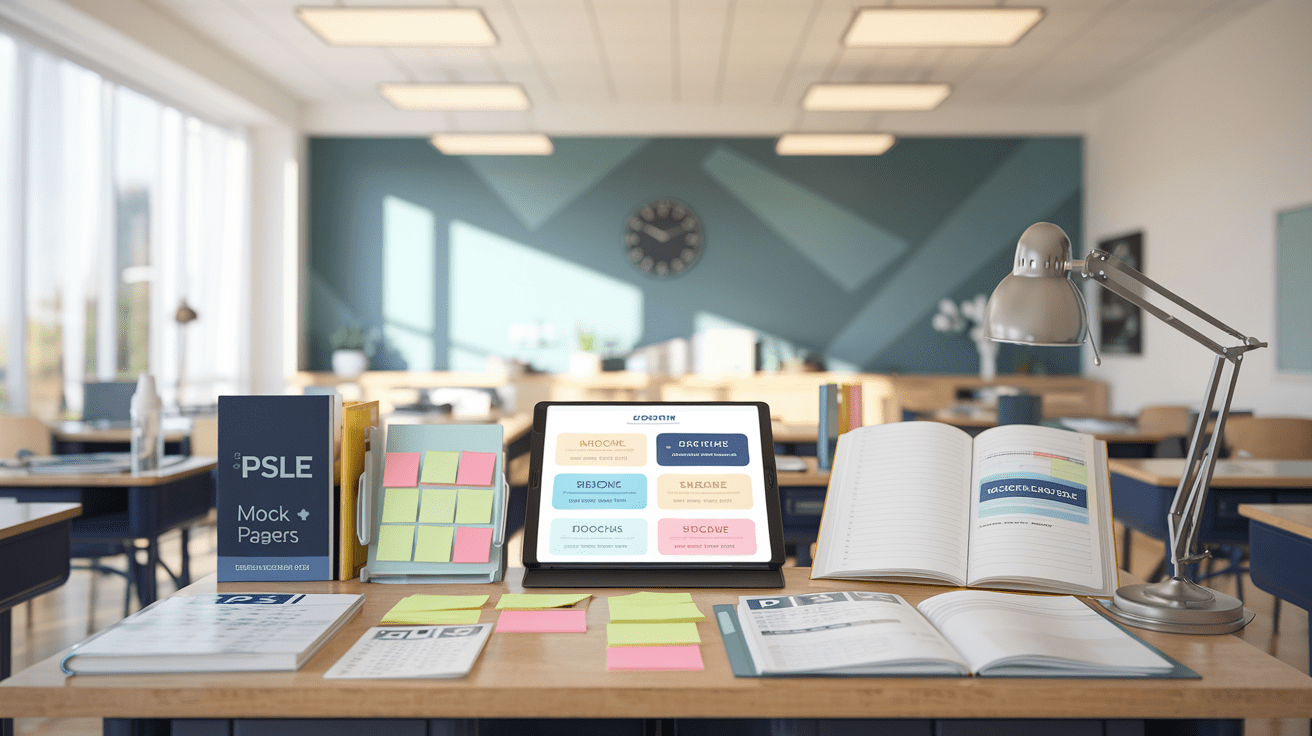
PSLE mock papers are more than just practice exercises—they’re strategic learning tools designed to prepare students for the actual examination experience. Understanding their purpose helps both parents and students approach them with the right mindset.
What Makes PSLE Mock Papers Different
Mock papers are carefully designed to mirror the actual PSLE in format, difficulty level, and coverage of the syllabus. They typically include questions that test various cognitive skills—from basic recall to application and analysis. Unlike regular worksheets, mock papers require students to demonstrate knowledge across the entire syllabus, manage their time effectively, and perform under conditions similar to the actual examination.
The Multiple Benefits of Mock Papers
When approached correctly, mock papers offer numerous benefits beyond simple practice. They help students identify knowledge gaps, build exam stamina, reduce anxiety through familiarity, and develop time management skills. Moreover, they provide valuable feedback on a student’s current performance level and highlight areas requiring additional attention before the actual examinations.
At EduFirst Learning Centre, our experienced educators have observed that students who strategically incorporate mock papers into their preparation routine typically demonstrate greater confidence and perform better in their actual PSLE examinations.
Preparation Strategies: Before Tackling Mock Papers
Before diving into mock papers, it’s essential to establish a strong foundation of knowledge and create the right environment for effective practice.
Master the Basics First
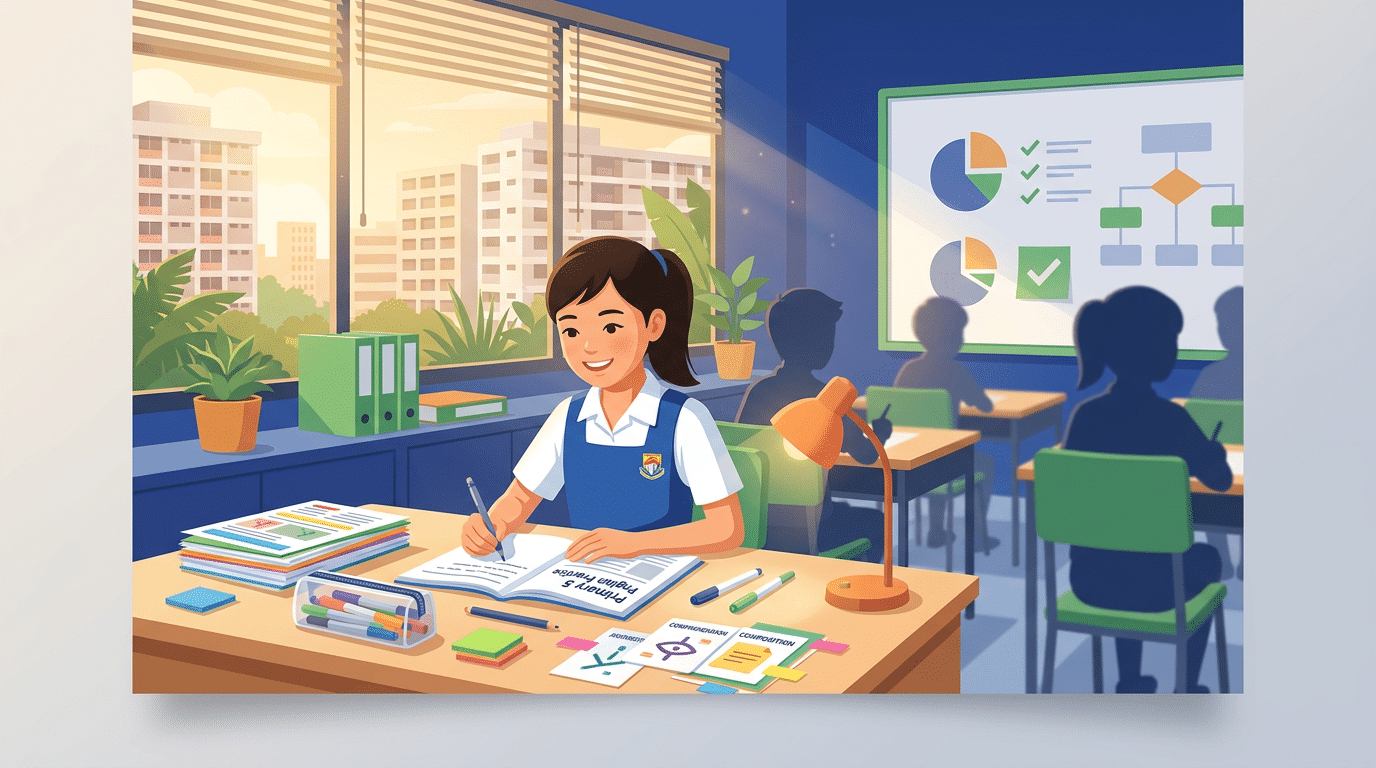
Students should ensure they have a solid understanding of all topics in the syllabus before attempting full mock papers. This includes reviewing textbooks, class notes, and subject-specific workbooks. It’s also beneficial to organize study materials by topic and create concise revision notes that highlight key concepts, formulas, and definitions.
Create an Effective Study Schedule
Develop a realistic study timetable that allocates specific time slots for mock paper practice. The schedule should balance all subjects while providing more time for challenging areas. We recommend dedicating 2-3 sessions per week to mock papers, gradually increasing frequency as the PSLE approaches. Remember to include breaks and leisure activities to prevent burnout—studies show that periodic breaks actually enhance learning and retention.
Set Up the Right Environment
Create a distraction-free environment that mimics examination conditions. This means a quiet, well-lit space with a comfortable chair and desk, free from electronic devices and other distractions. Having all necessary materials—including stationery, calculators (if permitted), and a reliable timer—readily available encourages focus and prevents unnecessary interruptions during practice sessions.
Effective Practice Techniques for Mock Papers
How students approach mock papers can significantly impact their effectiveness as learning tools. The following techniques have proven successful among our students at EduFirst Learning Centre.
Start with Topic-Specific Papers
Before attempting full mock examinations, begin with topic-specific practice papers to build confidence and reinforce understanding of individual concepts. This targeted approach allows students to master one area before integrating knowledge across the entire syllabus. As competence grows, gradually transition to full mock papers that combine multiple topics and require comprehensive application of knowledge.
Simulate Actual Exam Conditions
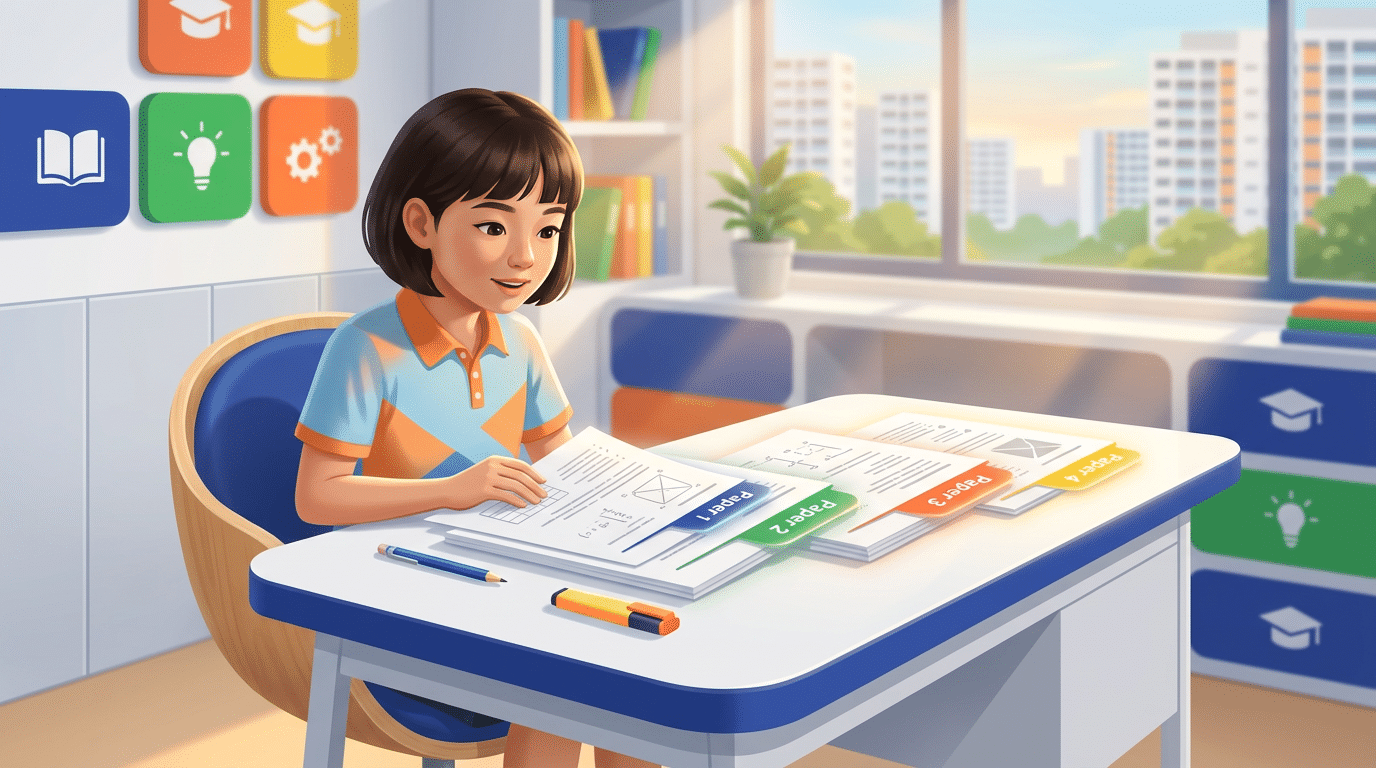
To maximize the benefits of mock practice, it’s crucial to replicate examination conditions as closely as possible. This means adhering strictly to time limits, completing papers in one sitting, and following all examination rules. Parents can help by timing sessions, minimizing interruptions, and ensuring that their child follows proper examination procedures—from reading instructions carefully to showing all working steps in Mathematics and Science.
Progressive Practice Approach
Adopting a progressive approach to mock paper practice yields better results than random practice. Start with papers from previous years before moving to more recent ones, as examination formats and question styles evolve over time. Similarly, begin with easier papers to build confidence before challenging students with more difficult ones. This gradual progression helps prevent discouragement while steadily building competence and confidence.
At EduFirst, our small class sizes of 4-8 students enable our teachers to provide personalized guidance on mock paper strategies, ensuring each student receives tailored advice for their specific learning needs.
Analysis and Improvement: Learning from Mock Results
The true value of mock papers lies not in completing them, but in the analysis and subsequent improvement that follows. This critical phase transforms simple practice into strategic learning.
Thorough Error Analysis
After completing each mock paper, students should conduct a detailed error analysis rather than simply checking their score. This involves carefully reviewing each incorrect answer to understand the nature of the mistake—whether it stemmed from carelessness, misunderstanding of concepts, misinterpretation of questions, or calculation errors. Creating an error log that categorizes mistakes helps identify patterns and focus revision efforts more effectively.
Review Correct Answers Too
While analyzing incorrect answers is obvious, reviewing correct responses is equally important. Sometimes, students arrive at the right answer through faulty reasoning or inefficient methods. By examining correct answers, students can identify more elegant solutions, alternative approaches, and opportunities to improve their answering techniques—even when they’ve scored the marks.
Targeted Remedial Work
Based on the error analysis, students should undertake targeted remedial work to address identified weaknesses. This might involve revisiting specific chapters in textbooks, seeking clarification from teachers, or completing additional practice on challenging topics. The key is to ensure that each mock paper leads to concrete improvement actions rather than simply moving on to the next practice paper without addressing gaps.
Our experienced educators at EduFirst Learning Centre guide students through this critical analysis process, helping them identify not just what went wrong, but why, and how to prevent similar errors in future examinations.
Time Management Strategies for PSLE Success
Effective time management during examinations can make the difference between a good and excellent performance. Mock papers provide the perfect opportunity to develop and refine these crucial skills.
Understand Section Weightage
Students should become familiar with the structure and mark allocation of each PSLE paper to prioritize their time accordingly. For example, in Mathematics, problem-solving questions typically carry more marks than straightforward calculation questions. Teaching students to allocate time based on mark weightage ensures they can complete all sections while giving appropriate attention to high-value questions.
Develop a Strategic Question Sequence
While the conventional advice is to answer questions in order, a more strategic approach often yields better results. We recommend that students quickly scan the entire paper at the beginning, then tackle familiar and straightforward questions first to secure easy marks and build confidence. More challenging questions can be attempted afterward, with any extremely difficult questions left for last if time permits.
Practice the ‘Mark and Return’ Technique
When students encounter a particularly challenging question, spending excessive time on it can jeopardize their ability to complete other sections. Instead, teach your child to mark difficult questions and return to them after completing more manageable ones. This prevents time-drain on single problems and ensures all questions receive attention. During mock practice, students should deliberately practice this technique until it becomes second nature.
The small class environment at EduFirst Learning Centre allows our teachers to observe each student’s time management approach and provide personalized strategies that address their unique challenges.
Managing Exam Anxiety and Building Confidence
Exam anxiety can significantly impact performance, regardless of how well-prepared a student might be. Mock papers offer an excellent opportunity to develop psychological resilience alongside academic preparation.
Normalize the Examination Experience
Regular exposure to mock papers helps normalize the examination experience, reducing the anxiety associated with the unknown. As students become more familiar with the format, timing, and types of questions they’ll face, the actual PSLE feels less intimidating. Parents can support this process by maintaining a calm atmosphere during mock practice and avoiding creating additional pressure around performance.
Celebrate Progress, Not Just Scores
Instead of focusing exclusively on scores, acknowledge improvements in specific areas, better time management, or reduced careless mistakes. This progress-oriented approach builds confidence and motivates continued effort. Creating a visual representation of improvement—such as charts tracking scores in different topics over time—can provide tangible evidence of growth and reinforce positive expectations for the PSLE.
Develop Pre-Exam Rituals and Coping Strategies
Mock paper sessions provide the perfect opportunity to develop effective pre-exam routines and coping mechanisms. Encourage your child to experiment with different relaxation techniques—such as deep breathing, positive visualization, or brief mindfulness exercises—before beginning mock papers. When they discover what works best, these techniques can be incorporated into their actual PSLE routine, providing valuable psychological tools for managing anxiety.
Final Preparation: The Last Weeks Before PSLE
As the PSLE approaches, the approach to mock papers should evolve to ensure peak performance during the actual examinations.
Strategic Review of Past Mock Papers
In the weeks immediately preceding the PSLE, students should review their collection of completed mock papers, focusing particularly on previously identified weak areas and common mistake patterns. Rather than completing entire new papers, it’s often more beneficial to revisit challenging sections from previous mocks, ensuring that remedial efforts have successfully addressed these weaknesses.
Fine-Tuning Exam Techniques
The final preparation phase is ideal for refining examination techniques rather than learning new content. Focus on optimizing answer presentation, improving the clarity of written explanations, and ensuring that all working steps are clearly shown. For subjects like English and composition writing, review model answers to internalize effective writing structures and vocabulary usage that can elevate responses.
Balanced Approach to Final Practice
While maintaining regular practice is important, avoid excessive mock paper work in the days immediately before the PSLE. Research indicates that mental fatigue can significantly impact performance, so the final 2-3 days before each examination should emphasize light review, adequate rest, proper nutrition, and confidence-building activities. This balanced approach ensures students enter the examination hall with optimal mental alertness and confidence.
At EduFirst Learning Centre, we provide structured revision programs that guide students through this critical final preparation phase, balancing continued practice with strategic rest to ensure peak performance.
Conclusion: Mastering PSLE Through Strategic Mock Practice
Mock papers represent one of the most powerful tools in PSLE preparation when approached with strategy and purpose. By understanding their value, preparing thoroughly, practicing effectively, conducting detailed analysis, managing time wisely, addressing anxiety, and fine-tuning preparation as the examination approaches, students can transform these practice papers into stepping stones toward PSLE success.
The journey through primary school culminates in the PSLE, but the skills developed through strategic mock paper practice—analytical thinking, time management, emotional resilience, and methodical problem-solving—extend far beyond this single examination. These are life skills that will serve students throughout their academic careers and beyond.
Remember that each child’s learning journey is unique, and strategies may need adjustment to accommodate different learning styles, strengths, and challenges. The personalized attention provided in small-group settings, like those at EduFirst Learning Centre, can help identify the most effective approaches for your child’s specific needs.
With thoughtful preparation, strategic practice, and the right support system, your child can approach the PSLE with confidence, equipped with both the knowledge and skills needed to demonstrate their true potential.
Mastering PSLE mock papers requires more than just repeated practice—it demands a strategic approach that encompasses thorough preparation, effective practice techniques, detailed analysis, refined time management, anxiety management, and balanced final preparation. By implementing the strategies outlined in this guide, parents can help their children transform mock papers from simple practice exercises into powerful tools for PSLE success.
Remember that each child’s journey is unique, and the most effective preparation plans are those tailored to individual learning styles and needs. The personalized attention that comes with small class sizes—like EduFirst’s 4-8 student classrooms—can make a significant difference in identifying and addressing specific challenges while building on existing strengths.
As the PSLE approaches, maintain perspective and remind your child that while this examination is important, it represents just one step in their educational journey. The study habits, analytical skills, and resilience they develop through strategic mock paper practice will serve them well throughout their academic careers and beyond.
Is your child preparing for the upcoming PSLE? EduFirst Learning Centre offers specialized PSLE preparation programs featuring personalized attention in small classes of just 4-8 students. Our experienced educators provide tailored strategies for mock paper mastery, comprehensive error analysis, and confidence-building techniques proven to maximize examination performance.
Contact us today to learn how we can help your child achieve their full potential in the PSLE and beyond. Click here to schedule a consultation with our academic advisors.