- Apr 4, 2026
Academic vs Recreational Holiday Camps: Which Is Better for Your Child?
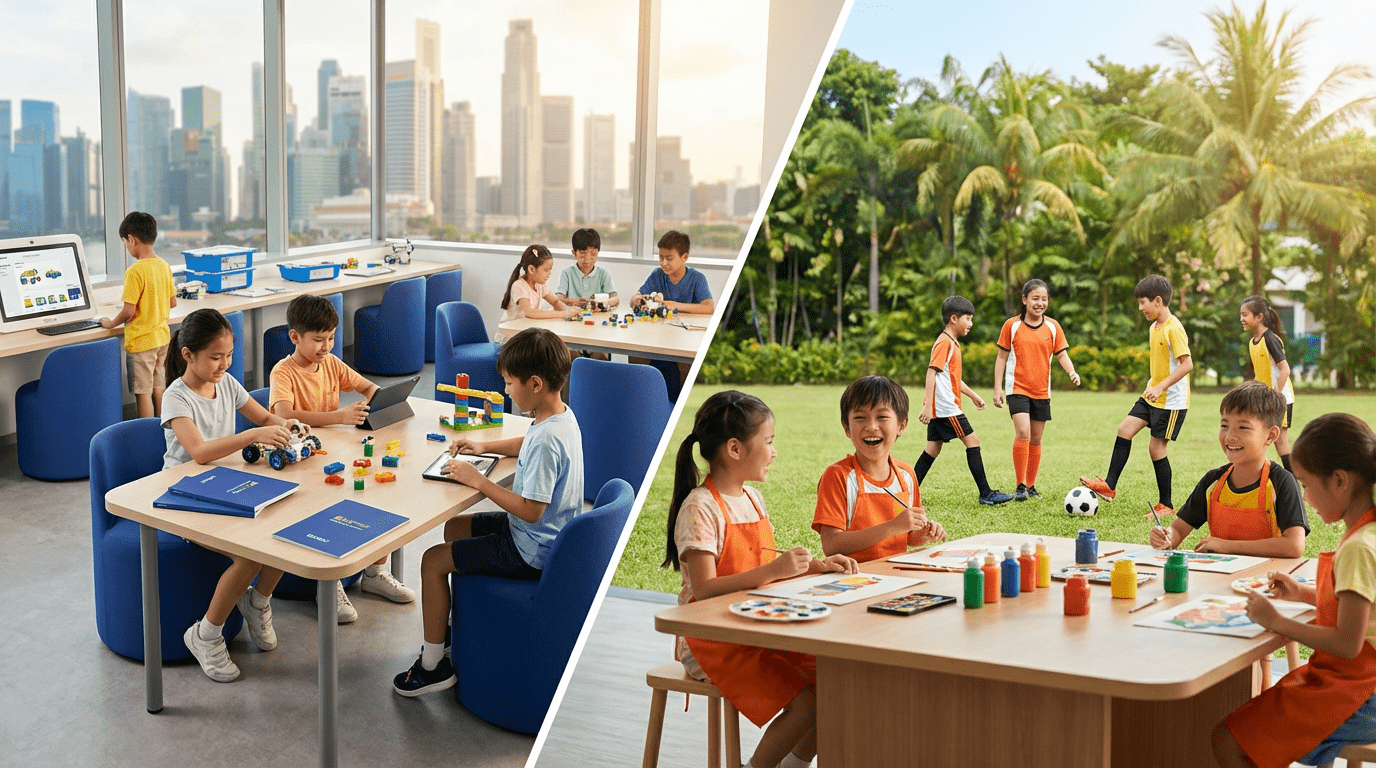
Table Of Contents
- Understanding the Two Approaches to Holiday Camps
- What Academic Holiday Camps Offer
- What Recreational Holiday Camps Offer
- Key Differences Between Academic and Recreational Camps
- Benefits of Academic Holiday Camps
- Benefits of Recreational Holiday Camps
- How to Choose the Right Camp for Your Child
- The Hybrid Approach: Best of Both Worlds
- Making the Final Decision
The school holidays are approaching, and you’re faced with a familiar dilemma: should you enroll your child in an academic camp that reinforces their learning, or opt for a recreational program where they can simply enjoy being a kid? It’s a question that weighs on many Singaporean parents who want to balance their child’s educational progress with much-needed downtime.
The truth is, there’s no universal answer. The “better” choice depends entirely on your child’s individual needs, learning style, current academic standing, and personal interests. Some children thrive when given structured learning opportunities during the holidays, while others need a complete break from academics to recharge and explore new interests.
In this comprehensive guide, we’ll explore both academic and recreational holiday camps in depth, examining their unique benefits, potential drawbacks, and helping you determine which option (or combination) will serve your child best. Whether your child attends primary tuition or secondary tuition during term time, understanding these holiday camp options will help you make an informed decision that supports their overall development.
Understanding the Two Approaches to Holiday Camps
Before diving into comparisons, it’s important to clarify what we mean by academic and recreational holiday camps. These terms encompass a broad spectrum of programs, each designed with different objectives in mind.
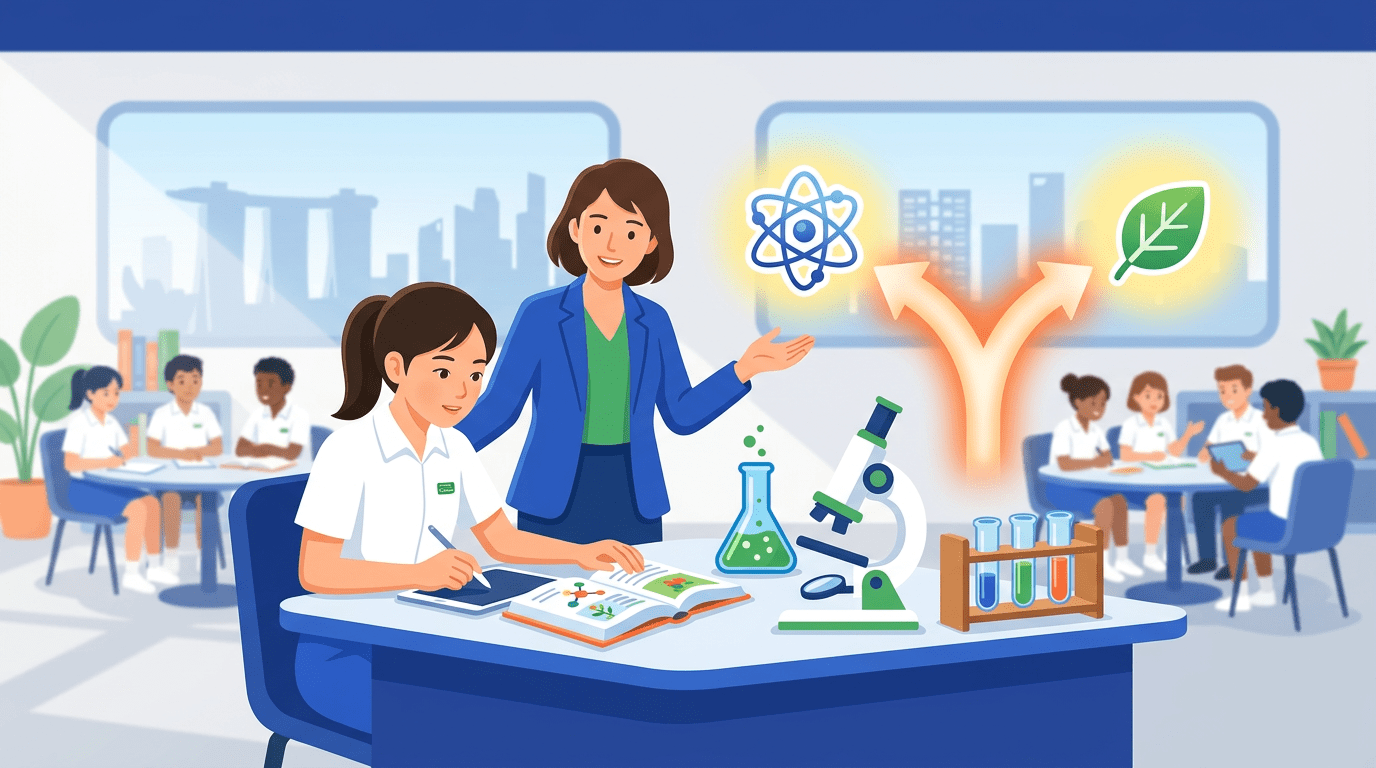
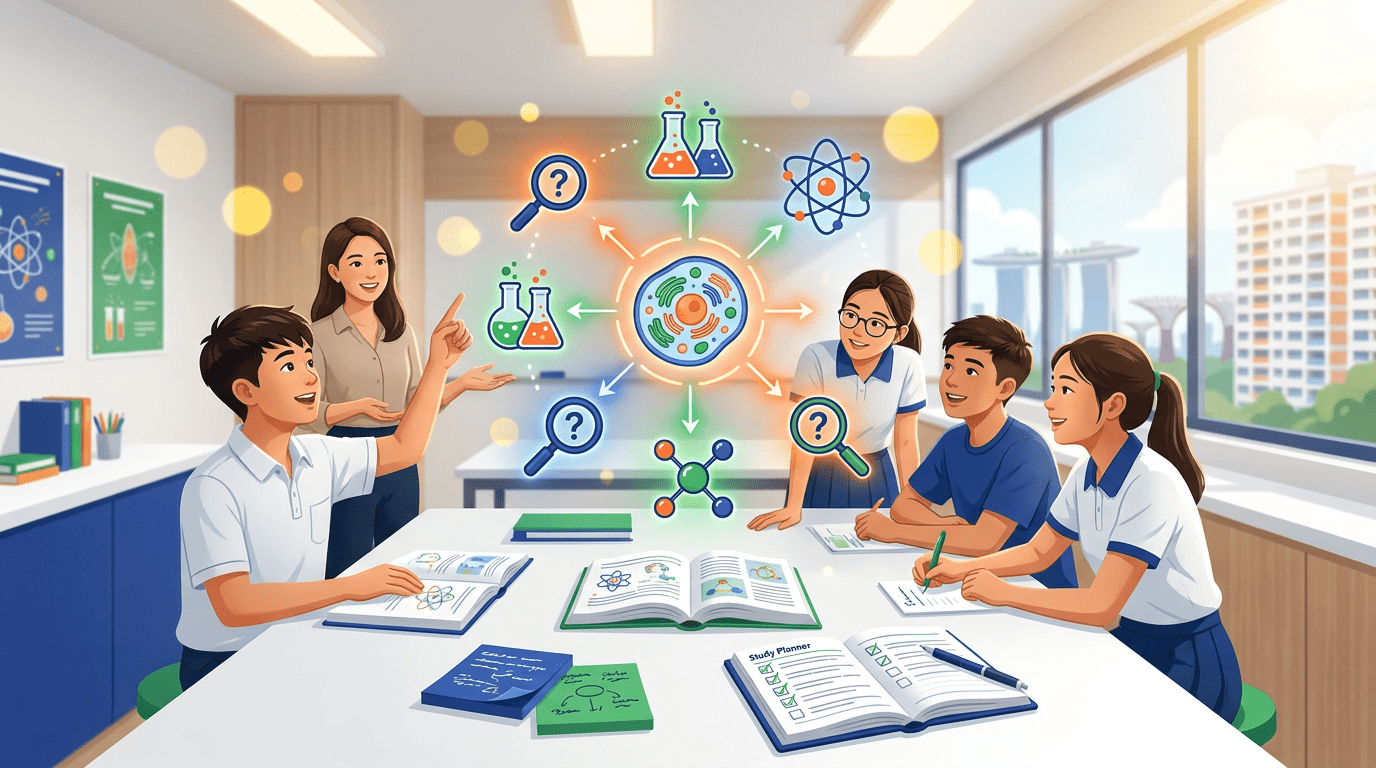
Academic holiday camps are structured programs focused primarily on educational advancement. They typically involve subject-specific learning, skill development in core academic areas, exam preparation, or enrichment activities that enhance cognitive abilities. These camps maintain an educational focus while often incorporating engaging teaching methods and smartwatch assistance to keep children interested during their break from regular school.
Recreational holiday camps, on the other hand, prioritize play, exploration, and social interaction. These programs might include sports, arts and crafts, outdoor adventures, drama, music, or general activities designed for fun and relationship-building. While learning certainly occurs in these settings, it’s typically experiential and not tied to academic curriculum or assessment.
Understanding this fundamental distinction helps frame the discussion about which approach might be more suitable for your child at any given time.
What Academic Holiday Camps Offer
Academic holiday camps in Singapore have evolved significantly beyond simple “holiday tuition” programs. Today’s academic camps offer diverse approaches to learning that aim to make education engaging even during school breaks.
These programs typically focus on reinforcing foundational concepts in subjects like Mathematics, Science, English, and Mother Tongue languages. For students who struggled during the term or have upcoming exams, this focused attention can help close knowledge gaps before the next academic period begins. Many programs also offer preview sessions for upcoming topics, giving students a head start on the next term’s curriculum.
Beyond core subjects, academic camps often include enrichment components such as critical thinking workshops, problem-solving activities, coding and robotics, creative writing programs, and public speaking training. These skills extend beyond standard curriculum requirements while still maintaining an educational focus.
What distinguishes quality academic camps from simply “more school” is their approach to delivery. The best programs use interactive teaching methods, smaller class sizes (similar to the 4-8 student ratio at specialized learning centers), project-based learning, and engaging activities that make education feel less like work. This balanced approach helps children continue learning without experiencing burnout.
What Recreational Holiday Camps Offer
Recreational holiday camps provide children with opportunities to step away from academic pressures and engage in activities purely for enjoyment and personal growth. These programs recognize that development happens through multiple pathways, not just formal education.
Common recreational camp activities include sports and physical activities like swimming, soccer, rock climbing, martial arts, and adventure challenges. These programs promote physical fitness, coordination, teamwork, and healthy lifestyle habits. Creative arts programs offer another popular option, with camps focused on visual arts, music, dance, drama, and crafts that allow children to express themselves and discover hidden talents.
Many recreational camps also emphasize social and emotional development through team-building exercises, leadership activities, collaborative projects, and free play opportunities. These experiences help children develop communication skills, empathy, conflict resolution abilities, and friendships outside their usual school environment.
For children who love the outdoors, nature and adventure camps provide experiences like camping, nature walks, environmental education, and outdoor survival skills. These programs foster appreciation for the natural world while building resilience and independence.
Key Differences Between Academic and Recreational Camps
To help you compare these two approaches more systematically, let’s examine their core differences across several important dimensions.
Primary Objectives
Academic camps aim to maintain or advance educational progress, focusing on measurable learning outcomes and skill acquisition in specific subject areas. Success is often evaluated through improved understanding, better grades, or enhanced academic confidence. Recreational camps, conversely, prioritize overall well-being, social development, physical health, and personal discovery. Success here looks like increased confidence, new friendships, developed interests, or simply a happy, refreshed child.
Structure and Approach
Academic programs typically follow more structured schedules with defined learning objectives, curriculum-based content, and instructor-led sessions. While modern academic camps incorporate fun elements, there’s still an underlying educational framework. Recreational camps generally offer more flexibility, child-led exploration, and varied activities that respond to participants’ interests and energy levels throughout the day.
Stress Levels
This is where significant differences emerge. Academic camps, despite their best efforts to be engaging, still carry an association with school and learning. For some children, this means continued pressure and limited mental rest. Recreational camps typically provide a complete break from academic expectations, allowing children to decompress and return to school genuinely refreshed.
Skill Development Focus
Academic camps concentrate on cognitive skills, subject knowledge, study techniques, and academic confidence. Recreational camps develop physical abilities, creative expression, social competencies, and emotional intelligence. Both skill sets are valuable, but they serve different developmental needs.
Benefits of Academic Holiday Camps
For the right child at the right time, academic holiday camps offer substantial advantages that extend beyond simple grade improvement.
Preventing learning loss is perhaps the most commonly cited benefit. Research consistently shows that students can lose academic ground during extended breaks, particularly in subjects like Mathematics where skills build progressively. Academic camps help maintain momentum and prevent the “summer slide” effect, ensuring children don’t start the new term having forgotten previous concepts.
For students who struggled during the term, holiday camps provide targeted remediation opportunities. With smaller class sizes and focused attention (much like the personalized approach used in primary tuition settings), children can address specific weak areas without the pressure of keeping up with daily schoolwork. This concentrated support often leads to breakthrough moments that weren’t possible during the busy term.
Academic camps also offer exam preparation advantages. For students facing major assessments like PSLE or O-Levels, holiday periods provide crucial preparation time. Dedicated exam-focused camps help students refine answering techniques, practice under timed conditions, and build confidence before high-stakes tests.
Beyond remediation, academic camps support advancement and enrichment. Gifted students or those with particular interests can delve deeper into subjects they love, explore advanced topics, or develop specialized skills. This intellectual stimulation keeps curious minds engaged and prevents boredom during the break.
Finally, quality academic programs build positive learning habits and attitudes. When delivered engagingly, these camps can help children who view studying negatively see that learning can be enjoyable. They also establish productive routines that prevent the complete schedule disruption that sometimes occurs during long holidays.
Benefits of Recreational Holiday Camps
Recreational camps provide a different but equally valuable set of benefits that support children’s overall development and well-being.
The most significant advantage is genuine rest and mental recovery. Singapore’s education system is academically rigorous, and children often carry considerable stress throughout the school year. Recreational camps offer true breaks where children can decompress, play without pressure, and return to school with renewed energy and motivation. This mental rest isn’t a luxury; it’s essential for long-term academic performance and emotional health.
Physical development and health represent another key benefit. Many children spend school days sitting in classrooms and after-school hours at tuition centers or doing homework. Recreational camps centered on sports and outdoor activities provide much-needed physical exercise, develop motor skills, and establish healthy habits that support overall well-being and cognitive function.
Recreational camps excel at fostering social skills and friendships. Away from academic competition and in diverse, activity-based settings, children interact differently. They learn collaboration, communication, empathy, and conflict resolution through natural social situations. Many children form lasting friendships at recreational camps that extend beyond the program itself.
These camps also provide opportunities for self-discovery. Without academic pressure, children can explore new interests, discover hidden talents, try activities they’ve never experienced, and develop aspects of their identity beyond “student.” A child might discover a passion for drama, realize they love rock climbing, or find they have leadership abilities that don’t emerge in classroom settings.
Finally, recreational camps build resilience, independence, and confidence. Navigating new environments, trying challenging activities, and succeeding at non-academic tasks all contribute to a child’s self-esteem and belief in their abilities. These characteristics support both academic performance and life success more broadly.
How to Choose the Right Camp for Your Child
Rather than asking which type of camp is objectively “better,” the more productive question is: which approach best serves your child’s current needs? Several factors should inform this decision.
Consider Your Child’s Academic Standing
If your child is struggling academically, has significant knowledge gaps, or faces upcoming major exams, an academic camp might be beneficial. The focused support can help them catch up without the pressure of simultaneous new content. However, if academic struggles stem from stress or burnout rather than knowledge gaps, a recreational break might actually be more beneficial for long-term performance.
For children who are performing well academically, recreational camps often provide better value. These students don’t need remediation and may benefit more from developing other competencies, pursuing interests, or simply resting. Alternatively, enrichment-focused academic camps that explore advanced or novel topics might keep them intellectually engaged without redundant review.
Assess Stress Levels and Well-Being
Observe your child’s emotional state and stress levels. Are they showing signs of burnout, anxiety, or resistance to learning? Do they seem exhausted or unmotivated? If so, a recreational camp that offers complete mental rest is likely the better choice. Pushing forward with more academics when a child is already stressed can damage their long-term relationship with learning.
Conversely, some children actually feel more anxious during unstructured time or worry about falling behind. For these students, a well-designed academic program that maintains routine while incorporating engaging elements might provide more comfort than a purely recreational approach.
Evaluate Interests and Preferences
Your child’s input matters significantly. What are they interested in? What would they enjoy? While parents must sometimes make decisions that prioritize long-term needs over immediate preferences, a child who is genuinely interested in a camp’s focus will gain far more from the experience than one who attends reluctantly.
Consider whether your child has opportunities during term time to pursue interests outside academics. If they’re already engaged in sports, arts, or other activities throughout the year, an academic camp might provide valuable balance. If their life is overwhelmingly academic, recreational camps offer necessary diversification.
Think About Developmental Needs
Beyond academics, what skills or experiences would benefit your child’s overall development? Perhaps they need help with social skills, physical fitness, creative expression, or independence. These developmental needs might be better addressed through recreational rather than academic programs.
Consider the Length of the Break
The duration of school holidays should influence your decision. During shorter one-week breaks, a recreational camp that provides complete rest might be more valuable. For longer breaks like the year-end holidays, you might incorporate both types of programs or lean toward academic support if there’s still plenty of free time remaining.
The Hybrid Approach: Best of Both Worlds
For many families, the solution isn’t choosing between academic and recreational camps but rather finding the right combination of both. This hybrid approach acknowledges that children benefit from both continued learning and genuine rest.
One effective strategy involves splitting longer holidays between different camp types. For example, during six-week year-end breaks, you might enroll your child in a two-week academic program early in the holiday (when they’re still in “school mode”), followed by recreational camps or free time, and perhaps a final week of light academic review before school resumes.
Another approach is selecting academic programs with recreational elements or vice versa. Many modern holiday programs blend both approaches, offering academic content delivered through games, projects, and activities, or recreational camps that incorporate educational components naturally. These integrated programs provide learning benefits while still feeling like a break from regular school.
You might also consider intensity balancing. If your child attends regular secondary tuition throughout the year, holiday camps could lean more recreational. If they don’t receive supplementary academic support during term time, holiday academic camps might fill that gap while still allowing plenty of free play time.
Some families successfully use morning academic, afternoon recreational schedules. Children attend focused academic sessions in the morning when they’re mentally fresh, then participate in sports, arts, or other recreational activities in the afternoon. This approach provides structure while addressing both educational and developmental needs.
Making the Final Decision
Ultimately, the academic versus recreational holiday camp debate isn’t about which option is inherently superior. Both serve important purposes and offer valuable benefits. The “better” choice depends entirely on your child’s unique circumstances at any given time.
Trust your knowledge of your child. Consider their current academic standing, stress levels, interests, and developmental needs. Think about the opportunities they already have during term time and what gaps the holidays might fill. Most importantly, aim for balance over the long term rather than perfection in any single holiday period.
Remember that children’s needs change over time. The approach that works during primary school years might differ from what’s needed during secondary school. What’s appropriate in one holiday might not be right for the next. Stay flexible and responsive to your child’s evolving needs rather than following a rigid formula.
Quality matters more than category. An excellent recreational camp that aligns with your child’s interests will provide more value than a mediocre academic program attended reluctantly. Similarly, an engaging, well-structured academic camp can be far more beneficial than unstructured time at home if that’s what your child needs.
Finally, don’t underestimate the value of downtime. Some of the most important development happens during unstructured play, family time, and simple rest. Not every moment needs to be optimized for learning or achievement. Sometimes the best gift you can give your child is permission to simply be a child without any particular agenda.
The question of whether academic or recreational holiday camps are “better” ultimately has no single answer. Both approaches offer distinct benefits that serve different purposes in a child’s development. Academic camps provide continuity in learning, help prevent knowledge loss, offer targeted support for struggling students, and can accelerate progress for advanced learners. Recreational camps provide essential mental rest, develop physical and social skills, foster creativity and self-discovery, and help children return to school refreshed and motivated.
The wisest approach involves understanding your child’s individual needs at any given time and selecting programs (or combinations of programs) that address those needs. Consider their academic standing, stress levels, interests, and overall development when making these decisions. Remember that balance over time matters more than optimizing every single holiday period.
Whether you choose academic enrichment, recreational activities, or a hybrid approach, the goal remains the same: supporting your child’s growth as a whole person, not just as a student. By thoughtfully considering the options and staying responsive to your child’s evolving needs, you can make holiday camp decisions that truly serve their best interests.
Looking for Personalized Learning Support for Your Child?
At EduFirst Learning Centre, we understand that every child has unique learning needs. Our small class sizes of 4-8 students ensure individualized attention that helps your child thrive academically while building confidence. With 25 locations across Singapore and programs for primary and secondary students, we’re here to support your child’s educational journey.