- Apr 15, 2026
Is Tuition Really Necessary in Singapore? An Honest Look
Ask any parent at a Singapore school gate and you’ll likely find that private tuition is simply part of the routine — as normal as CCAs and school uniforms. Singapore families collectively spend over $1.4 billion on private tuition annually, and surveys consistently show that more than 7 in 10 primary school students attend some form of extra classes. Yet for every parent who swears by tuition, another will tell you their child thrived without it. So what’s the honest answer?
The truth is, tuition is neither a guaranteed magic bullet nor an unnecessary expense. Whether it’s the right choice depends entirely on your child’s individual needs, learning style, and the quality of support available to them. In this article, we take a clear-eyed, balanced look at Singapore’s tuition culture — exploring when it genuinely helps, when it doesn’t, and how you can make the best decision for your family.
Singapore’s Tuition Culture: How Did We Get Here?
Singapore’s education system is widely recognised as one of the best in the world, consistently topping global rankings in Mathematics, Science, and Reading. But high standards come with high expectations, and the pressure on students — even at the primary level — can be intense. The PSLE, O-Levels, and A-Levels are high-stakes milestones that shape a student’s academic pathway, and parents naturally want to give their children every possible advantage.
This competitive environment, combined with a cultural emphasis on academic achievement, has made tuition feel less like a choice and more like a social norm. Many parents enrol their children in tuition not because of a specific learning gap, but out of fear of falling behind peers. Over time, this has created a self-reinforcing cycle where tuition becomes the default rather than the exception. Understanding this cultural backdrop is important, because it helps you separate genuine educational need from social pressure when making your decision.
When Tuition Genuinely Helps
There are real, evidence-backed scenarios where tuition makes a meaningful difference in a child’s academic journey. Recognising these situations clearly is key to spending your time and money wisely.
Bridging Learning Gaps
If a child has fallen behind in a foundational subject like Mathematics or English, unaddressed gaps can snowball quickly. Each year’s syllabus builds on the previous one, so a shaky foundation in Primary 3 maths can make Primary 5 concepts feel completely inaccessible. A good tuition programme identifies exactly where the gaps are and fills them systematically, restoring the child’s confidence before the problem compounds. This is arguably the strongest case for tuition — not enhancement, but genuine remediation.
Personalised Attention That Schools Can’t Always Provide
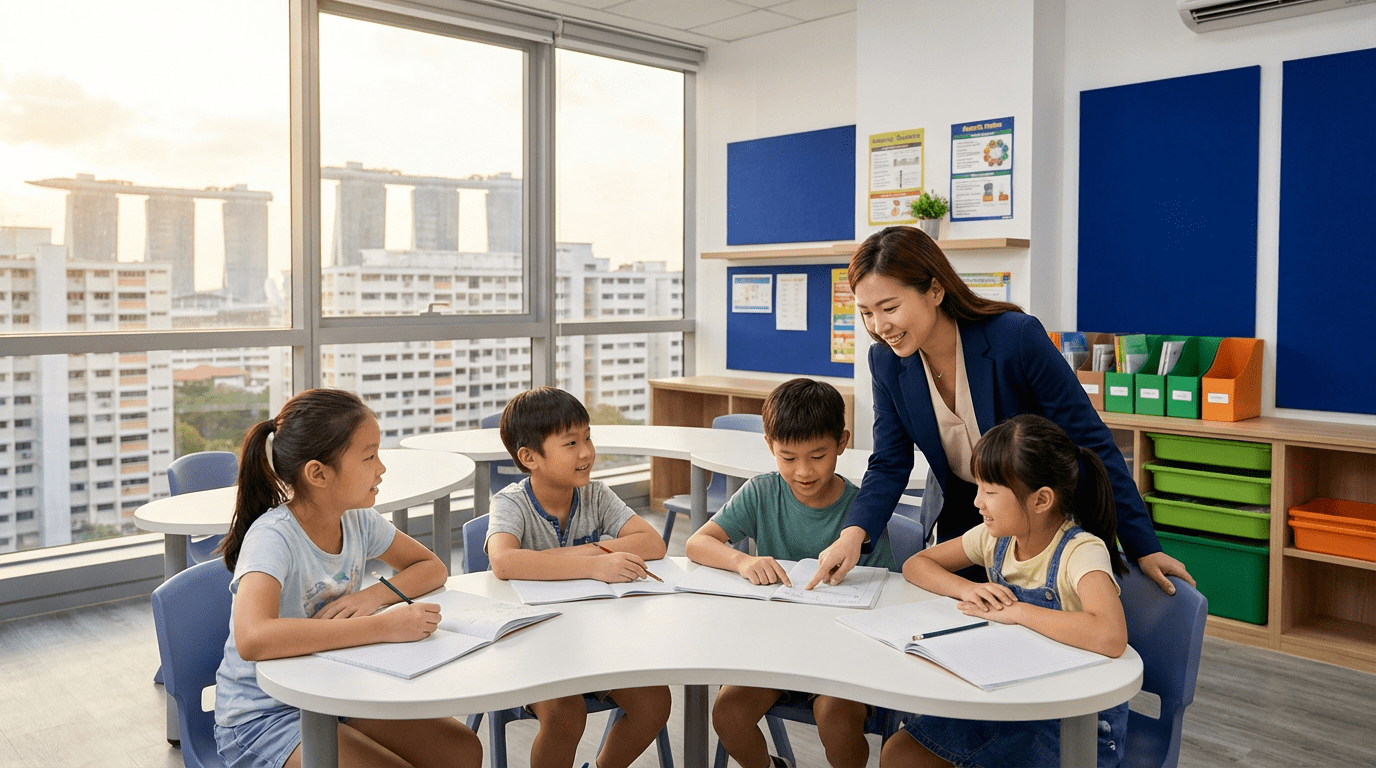
With class sizes of 30 to 40 students in mainstream schools, teachers face real limitations in addressing each child’s individual pace and learning style. A student who needs more time with a concept, or who learns better through visual methods, may not get that tailored support in a standard classroom. Small-group tuition settings — like the 4 to 8 student classes offered at EduFirst’s Primary Tuition programme — give educators the room to adapt their teaching to each child, which can make a significant difference in outcomes.
Building Confidence Before High-Stakes Exams
For students approaching the PSLE or secondary-level examinations, structured revision and exam technique coaching can be genuinely valuable. These exams carry long-term consequences, and many students benefit from the additional practice, exposure to exam formats, and the calm reassurance of a familiar tutor during a stressful period. Targeted preparation is different from ongoing dependency — it has a clear purpose and a clear end point.
Supporting Children with Different Learning Needs
Some children are diagnosed with learning differences such as dyslexia, dyscalculia, or attention difficulties. These students often need more structured, repetitive, and multi-sensory instruction than a standard school setting can consistently provide. Specialist tuition that is aware of these needs can be transformative, helping children access the curriculum in ways that work for their unique neurology rather than simply trying harder in the same way that isn’t working.
When Tuition May Not Be Necessary
Being honest about tuition means acknowledging the situations where it may not add value — or could even be counterproductive.
When a child is already performing well and coping comfortably, adding tuition classes may create unnecessary stress and eat into time better spent on rest, play, or pursuing interests. Childhood is not just academic preparation, and overscheduling has well-documented effects on mental wellbeing. Research from Singapore’s own Institute of Mental Health has highlighted rising anxiety levels among young people, and relentless academic pressure is a contributing factor.
When tuition is driven by parental anxiety rather than the child’s actual needs, it risks communicating to the child that their natural ability is somehow insufficient. This can quietly erode self-efficacy — a child’s belief in their own capacity to learn and solve problems independently. Long-term, independent learners who develop resilience and curiosity often outperform children who have always been heavily scaffolded.
When the quality of tuition is poor, it may reinforce bad habits or misunderstandings rather than correct them. Not all tuition is equal. A tutor who simply races through practice papers without explaining concepts, or who doesn’t adapt to how the child learns, offers little genuine value regardless of how many hours are logged.
Signs Your Child Might Benefit from Tuition
Rather than enrolling based on what other families are doing, it helps to look for specific signals that suggest your child would genuinely benefit from extra support. Here are some clear indicators worth paying attention to:
- Consistent difficulty with homework in a particular subject despite effort at home
- Declining grades over two or more consecutive terms without a clear external cause
- Frequent expressions of frustration, anxiety, or avoidance around certain subjects
- Teacher feedback highlighting specific conceptual gaps or a need for more practice
- Upcoming milestone examinations where the child feels underprepared
- A learning style that doesn’t match the way content is delivered in the classroom
If several of these signs are present, structured external support could make a real difference. If none of them apply, it may be worth holding off and trusting your child’s natural progression — while keeping a watchful eye.
Choosing the Right Kind of Support
If you decide tuition is the right path, the format and provider matter enormously. There is a significant difference between a rushed, one-size-fits-all enrichment programme and a thoughtfully structured learning environment that responds to your child as an individual.
Small Group vs. Large Group Tuition
Large tuition centres with classroom-sized groups can sometimes replicate the same limitations found in school — teachers spread thin, less opportunity for questions, and limited personalisation. Smaller class settings allow tutors to monitor each child’s understanding in real time, provide immediate feedback, and adjust their explanations on the spot. At EduFirst, classes are intentionally kept to just 4 to 8 students precisely for this reason, ensuring every child gets meaningful attention in each session.
Starting Early or Waiting Until Secondary School
Some parents wonder whether to begin tuition support at the primary level or wait. Foundational years — particularly Primary 1 through Primary 4 — are when core literacy and numeracy skills are established. Addressing difficulties early tends to yield better results than trying to remediate in the final stretch before major exams. If you’re considering early academic support, EduFirst’s pre-school programme provides a strong, nurturing start that prepares young learners for the demands of primary education.
Flexible Learning Options
For families with busy schedules or students who learn well independently, online learning formats offer a practical alternative to physical attendance. EduFirst’s e-lessons bring the same structured, personalised teaching approach to a digital platform — giving students access to quality instruction from the comfort of home without sacrificing the quality of engagement.
Consistency and Communication
Whatever format you choose, consistent attendance and open communication between tutors and parents are non-negotiables. A tuition centre that keeps parents regularly updated on their child’s progress — not just at the end of term but throughout the learning journey — is one that genuinely has the child’s best interests at heart. Ask about progress tracking, feedback mechanisms, and how tutors adapt their approach when a student struggles. These questions will quickly reveal whether a provider is invested in outcomes or simply filling seats.
So, Is Tuition Necessary in Singapore?
The honest answer is: it depends. For children who are struggling with specific concepts, facing learning gaps, or preparing for high-stakes examinations, well-chosen tuition can be genuinely transformative. For children who are managing well and thriving in school, the pressure and cost of additional classes may not be worthwhile — and could even do more harm than good.
What matters most is not whether other families are doing it, but whether your child specifically would benefit from the extra support. Start by observing your child closely, speaking with their teachers, and having an open conversation with your child about how they feel about school. These conversations often reveal far more than any league table or neighbour’s advice ever could.
If you do decide to explore tuition, choose a provider that prioritises your child as an individual — one with qualified educators, small class sizes, and a genuine commitment to long-term learning rather than short-term grade chasing. That combination is what makes tuition not just a cost, but a real investment.
Find the Right Support for Your Child at EduFirst
EduFirst Learning Centre has been helping primary and secondary students across Singapore build genuine academic confidence since 2010. With 25 convenient locations islandwide and small classes of just 4 to 8 students, we make sure every child gets the individual attention they deserve.